
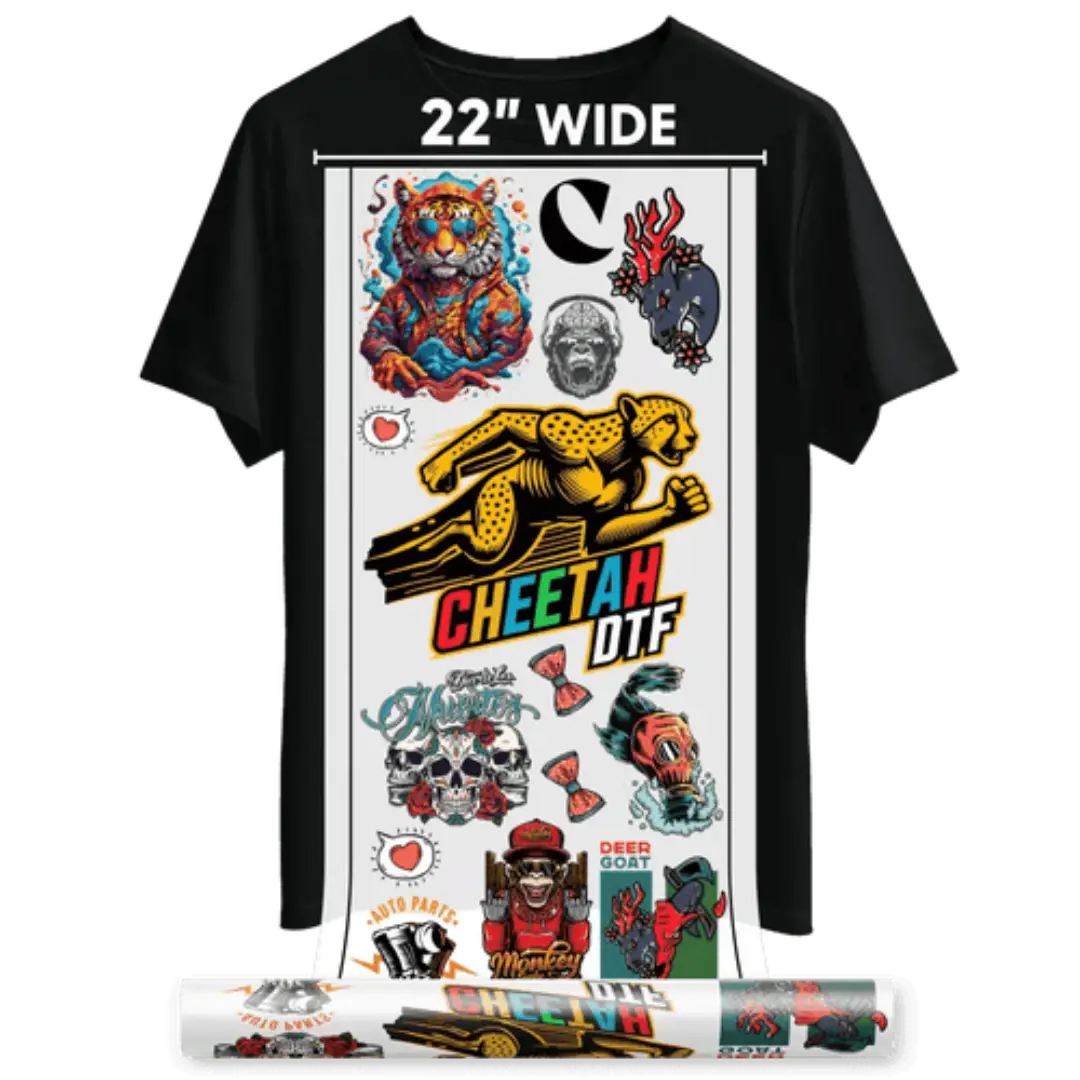
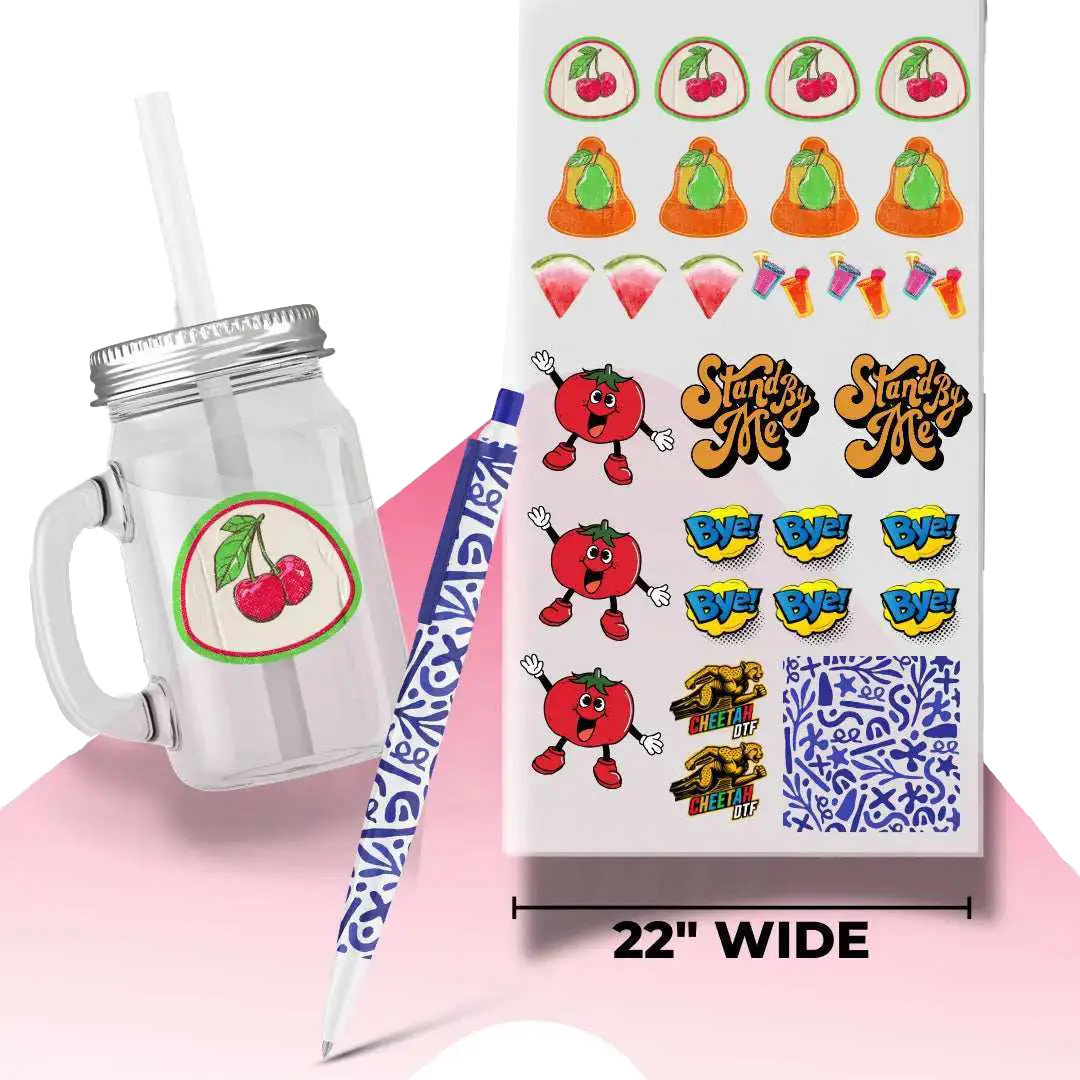


4 Reasons Why You Need to Start a DTF Business in 2026
Is DTF printing profitable?
The simple answer is Yes.
The custom apparel industry has experienced significant growth in recent years and will continue to grow until 2026. Consumers seek out personalized clothing with unique designs and small-batch products that differentiate them from standard retail items. The apparel market requires printing technologies that enable quick, flexible production processes, driven by industry demand. This is where Direct to Film (DTF) printing and DTF transfers have emerged as one of the most accessible and profitable ways to start a custom printing business.
For creators who aim to advance their careers in 2026, the DTF printing business provides a flexible work schedule, creative control, and business expansion opportunities. Plus, the relatively manageable DTF printing startup costs make it easier to begin building a custom apparel brand. So if you are still unsure whether DTF is the right option for you, here are a few points to help you navigate the confusion and make a lucrative decision for your brand this year.
Growing Demand for Custom Apparel
The increasing demand for custom apparel drives the DTF business market in 2026. Consumers today want clothing that reflects their identity, interests, and communities. The demand for custom designs has increased every year, starting from branded merchandise to small fashion labels, personalized gifts, and event apparel, which creates new opportunities for entrepreneurs learning how to make money with DTF printing.
The rising demand for printed garments creates business prospects for entrepreneurs who can produce high-quality products through rapid production methods. This is where DTF printing enables businesses to produce visually striking designs through detailed printing that surpasses conventional techniques. Digital printing technology enables designers to create products featuring advanced graphics, gradients, and intricate artistic designs that appeal to contemporary customers while supporting a scalable DTF printing business model.
Low Barrier to Entry
DTF printing provides beginners with an easier entry point through its requirement of only a heat press machine and ready-to-press transfers, which also helps reduce the initial DTF printing equipment cost for new entrepreneurs. A small business can achieve sustainable profits through effective design and marketing execution, requiring only a low initial investment and a clear DTF printing business plan.
Entrepreneurs use this easier entry requirement to experiment through market testing, delaying their need for expensive production equipment until later. Many new businesses begin by purchasing transfers from suppliers and focusing on pressing them onto garments. They can acquire their own DTF equipment as their production needs begin to increase, while carefully managing overall DTF printing supplies cost during the early stages.
Flexibility Across Products and Fabrics
The DTF technology provides innovative business solutions through its operational capabilities, which enable businesses to create various products without needing multiple printing devices. DTF transfers can be applied to many different types of fabrics, which include cotton, polyester, and fabric blends. Businesses can use this printing method to create a range of products because it enables them to print with a single equipment system, supporting a strong DTF printing business model for small apparel brands.
A single DTF setup produces designs that apply to t-shirts, hoodies and sweatshirts, tote bags, and other textile products. The products in this collection enable businesses to reach various customer groups through their expanded offerings. Brands can test different fashion styles through their collection of multiple clothing designs while increasing their DTF printing business profit.
Conclusion
DTF printing creates a suitable business model for developing a successful apparel brand because demand for customized clothing continues to grow, and business operators face minimal startup costs. Brands can create premium clothing through DTF design innovation and operational efficiency, which enables them to manage expenses effectively. Plus, the gang sheet builder tool simplifies printing operations by enabling designers to position multiple designs on a single sheet, resulting in maximum production efficiency, reduced material usage, and improved DTF printing startup profit potential.
So, are you ready to start in 2026? Explore our DTF Sample Pack and Gang Sheet Builder to start planning your apparel collection!
FAQs
1. What factors make DTF printing a profitable business in 2026?
DTF printing profitability factors include consistent expansion in the apparel market because customers demand personalized fashion options and distinctive design elements. The DTF technology enables small companies to manufacture high-quality clothing in short timeframes, helping them establish their apparel businesses successfully.
2. How profitable is a DTF printing business?
A DTF printing business achieves substantial profits because its production costs remain low while custom apparel sells at high retail prices. Companies achieve solid profit margins through effective design, printing methods, and material waste reduction, which enables a healthy DTF printing profit margin.
3. What equipment is needed to start a DTF business?
The basic equipment includes a heat press, DTF transfers, and blank garments for printing. For high-end custom apparel, businesses can purchase DTF printers, curing equipment, and design software to support their transfer production. Many entrepreneurs begin their business operations by purchasing ready-to-press transfers.
4. What products can a DTF business sell?
DTF businesses can produce many types of printed textile products. Common items include t-shirts, hoodies, sweatshirts, tote bags, and other apparel. The technology enables businesses to develop new products that they can use to create different clothing styles while keeping the DTF printing supplies costs manageable.
5. Is DTF printing better than screen printing?
Yes. DTF printing is often easier for beginners because it requires less setup and preparation than screen printing. DTF printing uses digital artwork, which is printed onto transfer film, while screen printing requires the creation of separate screens for each color and design.
6. Can I run a DTF business from home?
Yes, many entrepreneurs start DTF businesses from home using a heat press and ready-to-press transfers. Custom garment production can begin from a small workspace. The business will require additional tools and space when its production needs to increase and its product range needs to expand.
7. What are gang sheets in DTF printing?
Multiple designs, which are arranged together on a single layout form gang sheets that function as transfer sheets. The process increases operational efficiency while decreasing material waste and enabling companies to complete multiple orders and produce various product versions at an accelerated pace, helping businesses scale quickly.
8. How durable are DTF prints?
DTF prints show strong durability and flexible characteristics. The designs maintain their integrity through many washes and daily use because they were applied with correct heat press settings. The adhesive powder used during production helps create a strong bond between the ink and the fabric fibers, supporting long-term DTF printing startup profit through satisfied customers.
9. How do DTF businesses attract customers?
Successful DTF businesses achieve their goals through three main strategies, which include creating strong brand identities, developing exclusive product designs, and using successful digital advertising methods. Many apparel brands promote their products through social media platforms, online stores, and partnerships with creators or communities, which helps increase DTF printing business profit.
10. Can beginners succeed in the DTF apparel market?
Yes, beginners can succeed in the DTF market with the right approach. New entrepreneurs can enter the industry by starting with ready-to-press transfers. Plus, businesses can grow their production capacity while building their brand identity using a simple heat press.