


Everything You Need to Know About DTF Transfers in 2026
Key Highlights
- DTF transfers (Direct-to-Film transfers) are one of the fastest-growing apparel design methods in 2026.
- The technology enables apparel manufacturers to create bright, multicolored patterns that they can print on cotton, polyester, and blended fabrics, as well as other materials.
- The DTF printing process involves film printing, powder adhesive application, curing, and heat pressing.
- Brands can choose to purchase DTF transfers ready for pressing or to purchase custom DTF designs.
- DTF technology reduces startup duration, eliminates design trimming, and expands business operational capabilities.
The apparel industry in 2026 is more competitive than ever. Brands need to produce high-quality prints that are delivered within shorter timeframes, while providing customers with multiple customization options. DTF transfers have completely changed the industry through their operational impact on businesses.
DTF transfers offer significant benefits to startup clothing brands, print shop owners, and established apparel manufacturers who understand their operational functions and effective utilization methods.
Below is a brief yet detailed DTF Transfers for Beginners guide to help you get started in this competitive market.
What Are DTF Transfers?
DTF stands for Direct-to-Film. The process involves printing designs onto a specialized PET film that contains adhesive powder, which must be cured before heat-pressing onto fabric.
DTF transfers differ from screen printing and traditional vinyl through their operational design, which requires no weeding or pretreatment processes that DTG needs, and produce fabric prints that can be used on both light and dark materials with highly detailed full-color designs that stretch without cracking on the fabric.
DTF Transfer Heat Press Guide for Apparel Brands
DTF transfers serve as a printing method and an operational tool that help apparel businesses grow their operations.
1. Lower Startup Costs
DTF systems require less operational space and lower material requirements than traditional screen printing equipment. Their compact design makes these systems suitable for small brands that need to establish new product lines.
2. Unlimited Color Printing
DTF allows users to create color combinations that exceed the restrictions imposed by screen printing. Users can create designs which include gradients and shadows together with detailed illustrations and photo-realistic images through a single printing operation.
3. Works on Multiple Fabrics
DTF transfers adhere to:
-
Cotton
-
Polyester
-
Tri-blends
-
Spandex
-
Performance wear
The method allows brands to develop sportswear, streetwear, workwear, and promotional clothing while using existing decoration techniques.
The Process of Printing DTF Transfers
Brands achieve better product quality and lower product defects when they understand the entire DTF process.
Step 1: Design Preparation
Artists create their artwork at high resolution, using 300 DPI and including transparent backgrounds. The proper color profiles create print output that matches the original color needs.
Step 2: Printing onto PET Film
The design gets printed on special DTF film through DTF inks, which include CMYK inks and a white ink base layer. The white layer acts as an underbase, making colors pop on dark garments.
Step 3: Adhesive Powder Application
The operator applies hot-melt adhesive powder to the printed design while the ink maintains its wet state. He then removes extra powder through shaking.
Step 4: Curing the Transfer
The powdered film undergoes curing in a heat oven or curing unit. The process melts adhesive powder into the ink to prepare it for pressing.
Step 5: Heat Press Application
The pressed transfer is applied to the garment using a heat press with temperature, pressure, and timing settings.
After pressing:
-
The film can be peeled using a cold peel or a warm peel, depending on the film type.
-
The second press adds extra strength to the item through durability testing.
-
The result creates a soft print that remains durable and stretch-resistant.
Options to Print DTF Transfers in 2026
Apparel brands typically choose between two main approaches:
1. Ready-to-Press DTF Transfers
Ready-to-press transfers start as pre-printed materials provided by a DTF supplier after curing. You simply select, order, and receive the transfer sheet, which you will heat-press onto garments.
DTF Transfer Advantages:
-
The system demands no printing equipment
-
The system demands no ink maintenance
-
The system prevents white ink clogging issues
-
The solution works best for startup companies
-
The solution needs only a minimal initial investment
The solution works best for:
-
Clothing brands testing new designs
-
Influencers launching merch
-
Etsy and Shopify sellers
-
Businesses without production space
Cheetah DTF manages all technical printing aspects, so you concentrate on branding and sales.
2. Custom DTF Printing (In-House Production)
Custom DTF printing requires you to purchase a DTF printer together with a curing oven and necessary materials.
Benefits:
-
The system provides complete production control
-
The system enables quicker product delivery
-
The system generates increased profit margins from each print job
-
The system enables companies to provide wholesale distribution
In-house printing needs companies to obtain:
-
The necessary equipment
-
The ongoing requirements of equipment upkeep
-
The operational requirements of white ink circulation systems
-
Employees need to develop technical skills
DTF Transfer Care Instructions:
-
Established print shops
-
High-volume apparel brands
-
B2B decorators
-
Accelerating businesses
The Future of DTF Technology
In 2026, DTF technology will improve through multiple advancements, including faster print heads, more durable inks, eco-friendly adhesive powders, automated powder shakers, and hybrid DTF + DTG workflows. The method has evolved from its original status as a trend into a standard that people now use in production.
The transfer process requires you to learn about its operations together with its optimal methods, regardless of whether you select ready-to-press transfers for operational efficiency or choose custom DTF printing for business growth. For apparel brands looking to increase profit margins, reduce production time, and deliver high-quality prints consistently, DTF transfers are no longer optional. They are a competitive advantage.
Ready to streamline your production? Use our Gang Sheet Builder and explore our DTF Sample Pack today to improve operational efficiency.
FAQs
1. What are DTF transfers used for?
The main purpose of DTF Transfer Basics is to provide apparel decoration for various apparel and textile products, including t-shirts, hoodies, tote bags, uniforms, sportswear, and promotional items. The technology enables artists to create colorful full-color graphics and intricate designs that can be used on various types of fabric.
2. Do DTF transfers require pretreatment like DTG printing?
No. DTF Transfers do not need any fabric pretreatment before application, unlike DTG printing. The adhesive powder layer serves as a bonding agent, streamlining production while requiring no additional steps to achieve proper design adherence.
3. How long do DTF transfers last on garments?
The DTF transfer durability can be established through proper methods resulting in durable transfers that withstand fifty to eighty washes and beyond. The materials resist cracking, fading, and peeling while maintaining bright colors and flexible prints that stretch with the fabric to keep garments appearing new.
4. What temperature and time should I use for DTF transfers?
The standard DTF Transfer Heat Press Guide requires operators to maintain a temperature range between 300 and 320 degrees Fahrenheit for a duration of 10 to 15 seconds while applying medium to firm pressure. The first press needs to be followed by a second press, which will establish better durability according to the requirements of different film types.
5. Can DTF transfers be layered?
Designers create Direct to Film Transfers as complete single designs that people must use. The practice of applying multiple transfers to a single surface needs to be avoided because it will cause printing problems, which include decreased adhesion, creased stiffness, and reduced flexibility, which will result in inferior garment quality.
6. Are DTF transfers better than heat transfer vinyl (HTV)?
Yes. The DTF Transfer Advantages produce better results than vinyl when creating elaborate patterned designs. DTF provides instant printing capabilities that eliminate the need for cutting, weeding, and setup procedures. HTV works well for basic designs that use a single color, but DTF delivers better results for complex graphics thanks to its greater flexibility and operational efficiency.
7. Can I apply DTF transfers to polyester and performance fabrics?
Yes. DTF Transfers for Beginners work effectively on polyester, blended fabrics, and performance materials. The adhesive creates a strong bond when pressed accurately, which prevents dye migration and fabric damage while maintaining the quality of athletic and synthetic garments with their original vibrant designs.
8. What is a gang sheet in DTF printing?
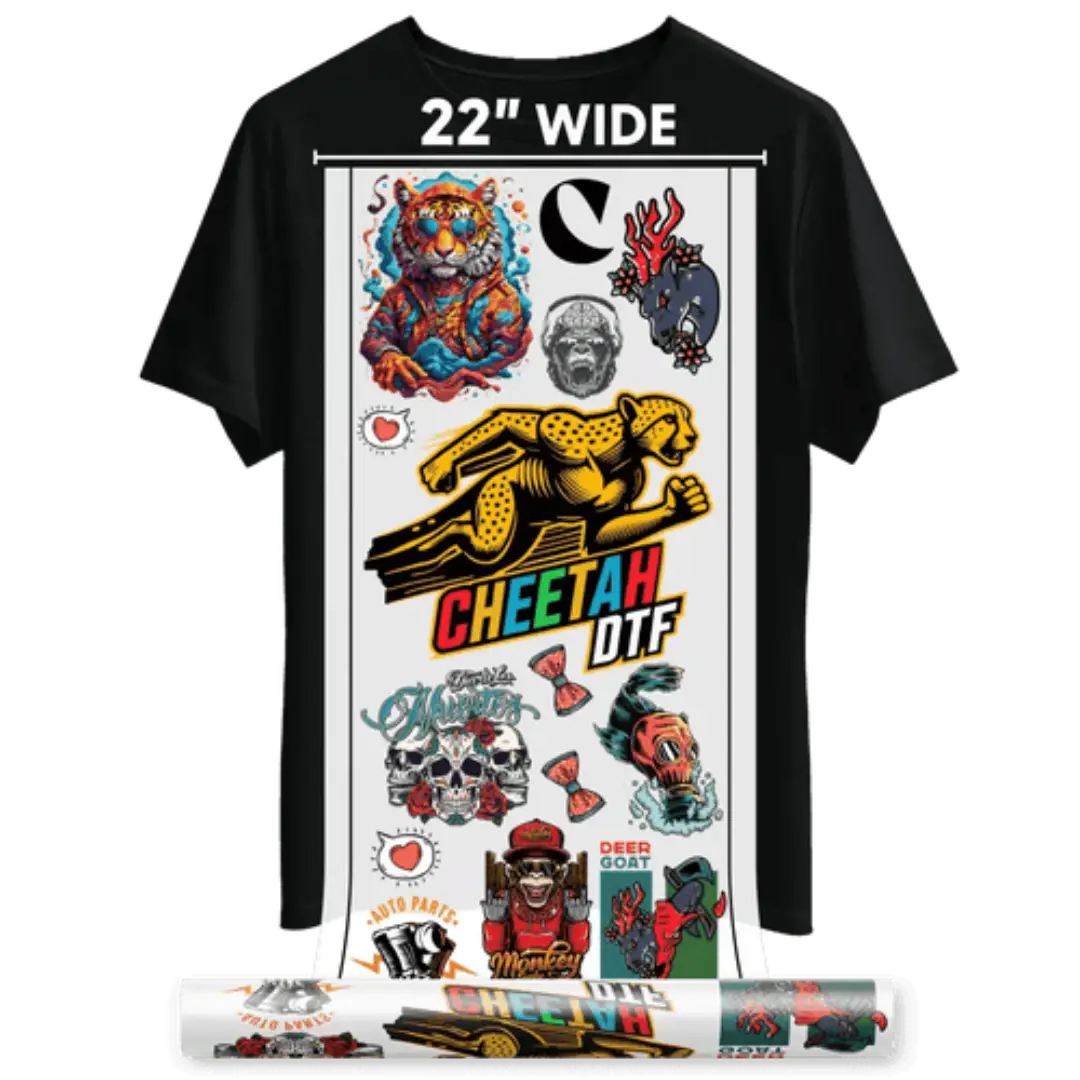
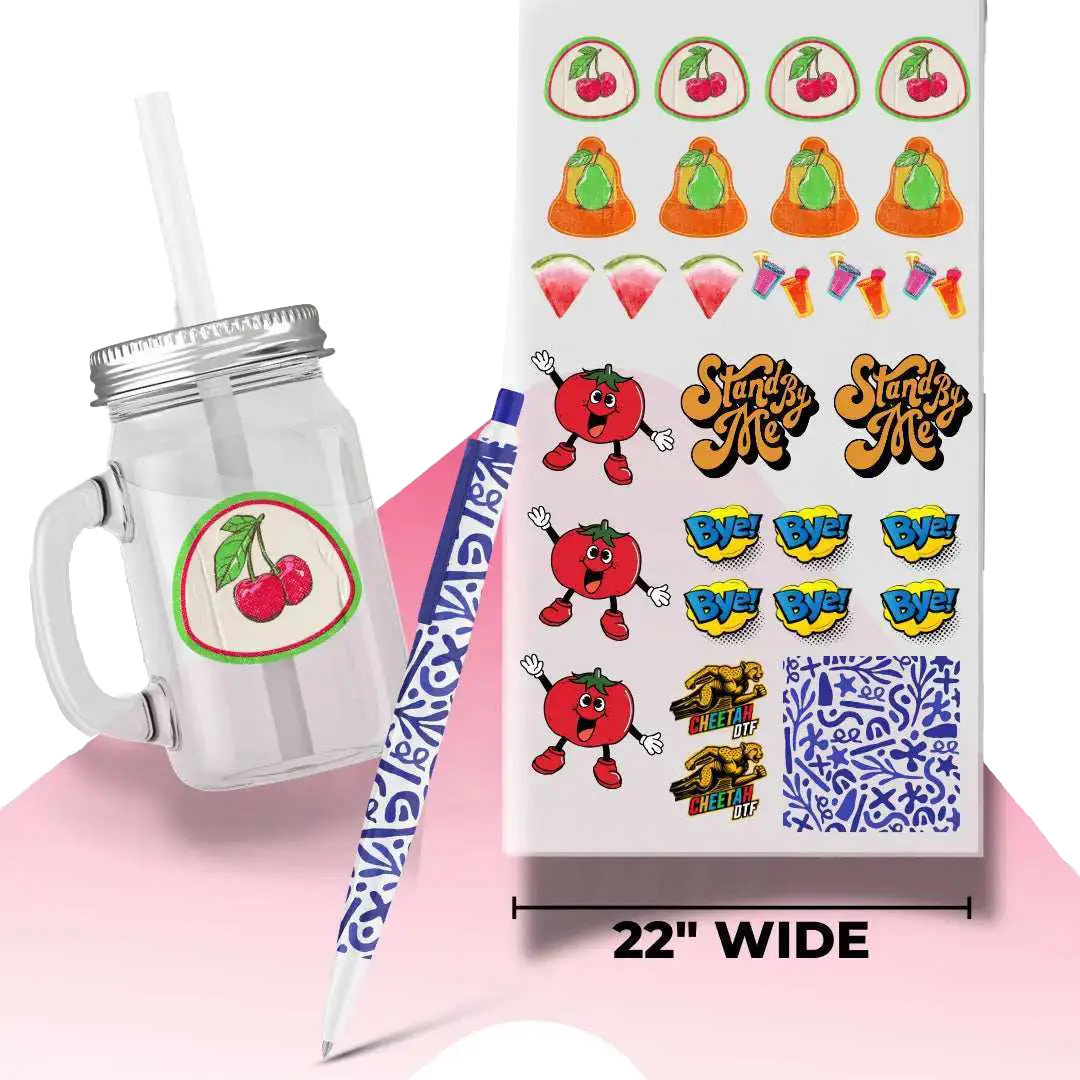
A DTF printing gang sheet is a large sheet containing multiple designs printed together on one film. The solution reduces material waste and production costs while increasing output speed, making it suitable for high-volume garment production.
9. Do I need a special heat press for DTF transfers?
No specialized equipment is required. A standard heat press can produce professional results when its operator adjusts both temperature and pressure. The correct adhesion process requires both constant heat and pressure, which help prevent fabric from peeling and create even prints on different types of fabric. DTF Transfer Care Instructions ensure optimal maintenance.
10. Should I choose ready-to-press transfers or print in-house?
Ready-to-press transfers are best for startups and small brands with low-volume orders because they require minimal equipment. Businesses that process large orders and need to manage their entire production process should use in-house printing to optimize DTF Printing Cost.