

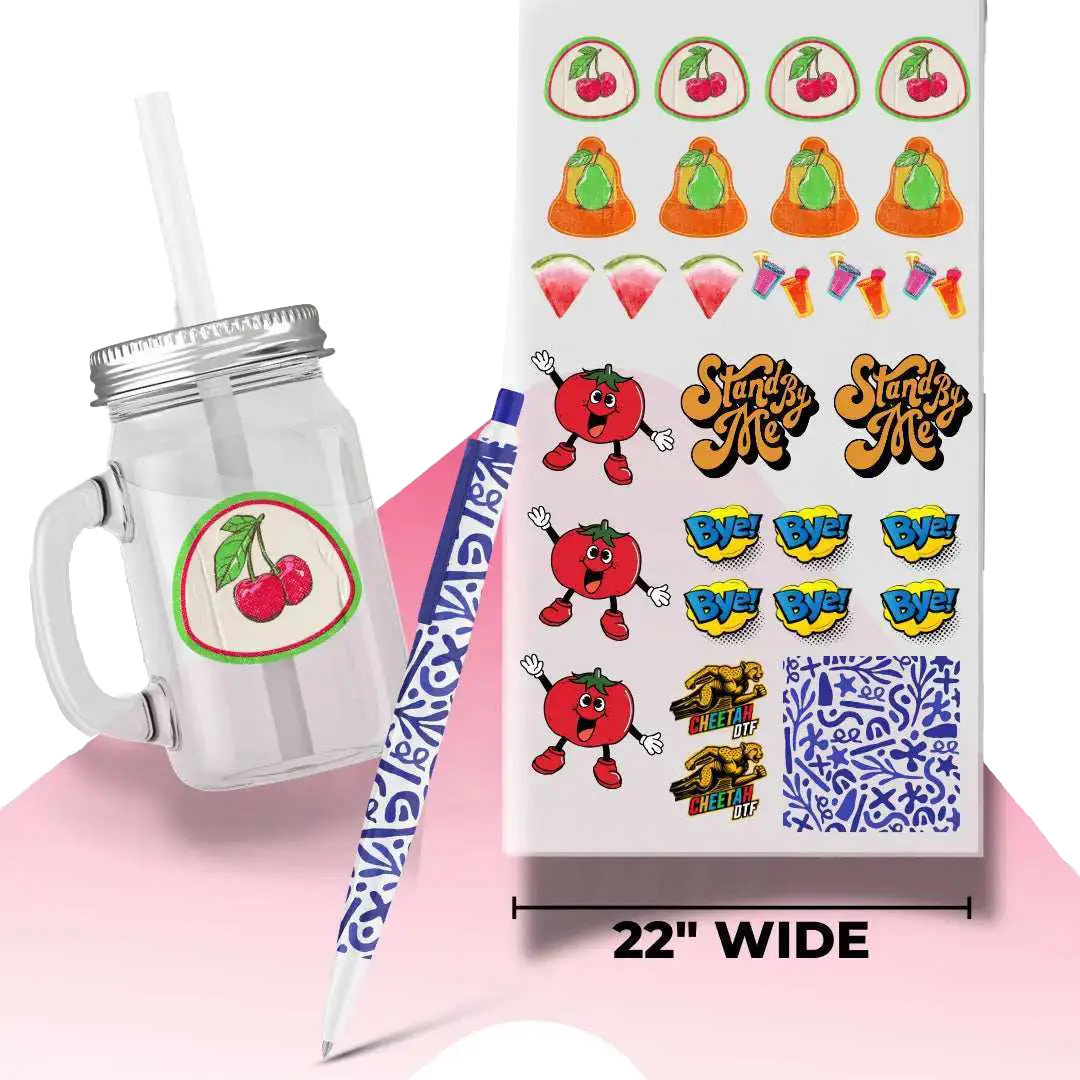


How to Remove UV DTF Transfer at Home Without Chemicals
Are you looking to remove UV DTF prints at home? Are you wondering can UV DTF transfers be removed easily?
UV-cured designs are permanently installed on glass, metal, wood and other smooth hard surfaces and therefore it can be hard to take them off. However, it is not entirely impossible.
There are a number of ways to do it including alcohol, professional-grade solvents, and manual scrapers, but if you are not careful these methods can leave residue behind and even damage the surface rendering it unusable for future installations. In this post, we are going to look at how you can achieve UV DTF transfer removal without any harsh chemicals and without damaging the surface.
Chemical Free Ways to Remove UV Transfers: Heat and Scraping
Heat-controlled removal and scraping are one of the most effective UV DTF film removal techniques without using any chemical at all. The gentle heating and scraping softens the adhesive, thus making the film removal process much easier. These techniques help minimize residue, and are especially effective on glass and polymer substrates. Below we’ll get into how to use these techniques effectively.
Note: if this is your first time with UV printing, we recommend that you try a free Sample Pack first before adding UV prints to bulk products. UV removal is not always successful, so make sure that you are careful.
Heat-Assisted Lifting UV DTF removal process
1. Heated Air Application
Applying a household dryer on low heat enables softening of adhesive bonds gently. Proper distance in applying heated air prevents burning the part and contributes to smooth removal.
2. Edge Cutting Method
Starting the process by cutting along the edge provides easy separation due to lower adhesion levels at that point. The procedure should be carried out gently to minimize tear risks.
3. Flexible Lifting Method
Lifting the surface with support reduces tension and prevents any cracking or distortions of the surface film. Equal pressure application on the area enhances smooth removal of the film.
4. Repeated Heating Process
Heating alternated with the process of lifting provides higher chances of effective removal compared to continuous heating process.
Mechanical Peeling Approach
1. Removal using Fingertips
The use of fingernails or plastic blades ensures that you have full control of the process. The minimum application of pressure will limit the occurrence of scratches and maintain the condition of the surfaces beneath.
2. Use of Other Safe Means of Removing Adhesive
Plastic blades are safer when used as an alternative to metal tools for removing adhesives. They have smoother surfaces that limit abrasions and protect the surfaces beneath.
3. Removal by Layer Rolling
The rolling of the films instead of abrupt pulling enhances the efficiency of the process greatly. Careful handling ensures that the stickers will not snap, tear or break during the process.
4. Getting Rid of Residues
Remaining fragments can be gotten rid of via continued rolling and rubbing. By applying repeated efforts, you can easily get rid of the residue and leave the surface intact after that.
Conclusion
UV sticker removal at home is a good step to installing fresh stickers on aged products and renewing old items using new designs for packaging or labeling. With the above tips in place, you will be able to remove old designs without harming the surface. Explore Cheetah UV DTF transfers to rejuvenate your products and redesign your product line for better sales.
FAQs
How to remove UV DTF stickers without solvent?
A combination of moderate heat and careful peeling from the edges is one of the best ways. Controlled air flow weakens the bonding power, allowing the process of peeling in small segments.
Is it safe to use domestic heating appliances in this case?
Yes, as long as it is done right and carefully, using low temperatures. Appliances like a dryer will weaken bonding but not damage any surface. It should be kept in mind that excessive heat will lead to distortion of the material. Short pulses will help avoid it.
What instruments are best to lift edges?
Soft scrapers made of plastic or even fingernails can be considered the best option. These instruments allow lifting edges gently without damaging any surface. It is better to avoid metal ones due to high abrasiveness.
Can older UV applications be removed more easily?
In many cases, yes. Over time, bonding strength can weaken due to environmental exposure and natural aging. This makes older layers more responsive to gentle heat and manual lifting. However, brittleness can also occur, requiring extra care to avoid tearing.
How to remove UV DTF from metal without scratches?
Using soft tools and avoiding sharp items is crucial. Warming the surface slightly before trying to remove the coat makes it easier. Avoid applying any hard substances across the surface. Rather, concentrate on carefully lifting the layer up. This will significantly minimize the risk of scratching.
What shall I do if there are still remnants of the coating left?
Any patches can typically be eliminated through repetitive rolling or wiping using a soft fabric. Do not apply abrasives as they can lead to surface damage. It may also be helpful to use mild warming as this will make elimination of any traces easier. It should not be rushed since it may lead to further complications.
Is it possible to use water in the process?
Water itself will not weaken bonds formed by strong adhesive layers. However, its use becomes handy in cases of partial removal as it removes loose fragments and reveals other spots. It should not be used as the primary removal tool as it is difficult to separate adhesive layers without heat.
Are there any dangers of damaging the plastic surface?
There are specific types of plastic that react badly to high temperature or strong pressure; therefore, it is essential to be careful when working. Too much heat and rough scraping may lead to distortion or even scratching the surface. It is recommended to try the procedure on one part of the surface at first.
How much time will it take for UV DTF removal from glass bottles?
It mostly depends on the size of the area and the age of the decoration. In some cases, smaller parts may peel off quickly, but sometimes large areas will require more time and effort to complete. In any case, haste should not be involved since it might cause damage. It is better to make pauses in between.
What is the safest way to remove UV prints?
A combination of low-temperature heating and manual peeling is the safest technique. It will put less pressure on the material, which is vital for preserving its quality. Besides, it will help avoid using any harsh chemicals or sharp tools.