


Understand DTF Gang Sheet Sizes in 4 Simple Steps
Are you looking to get into DTF this year, but don’t know where to start? Well, to keep it simple, we suggest that you start with DTF gang sheet sizes before printing DTF transfers. Once you understand the types of gang sheets available, you will be able to plan your production workflows much more effectively.
The goal of this DTF gang sheet size guide is to help eliminate confusion around gang sheet sizes, so that, as a beginner, you don’t feel too intimidated to start. We will explain DTF gang sheet sizes in four steps to help apparel brands and print shops make better production choices. Understanding the correct DTF gang sheet layout size can help businesses like yours organize their artwork more efficiently and avoid wasted space. So let’s get started!
1. Learn the Standard Width of DTF Gang Sheets
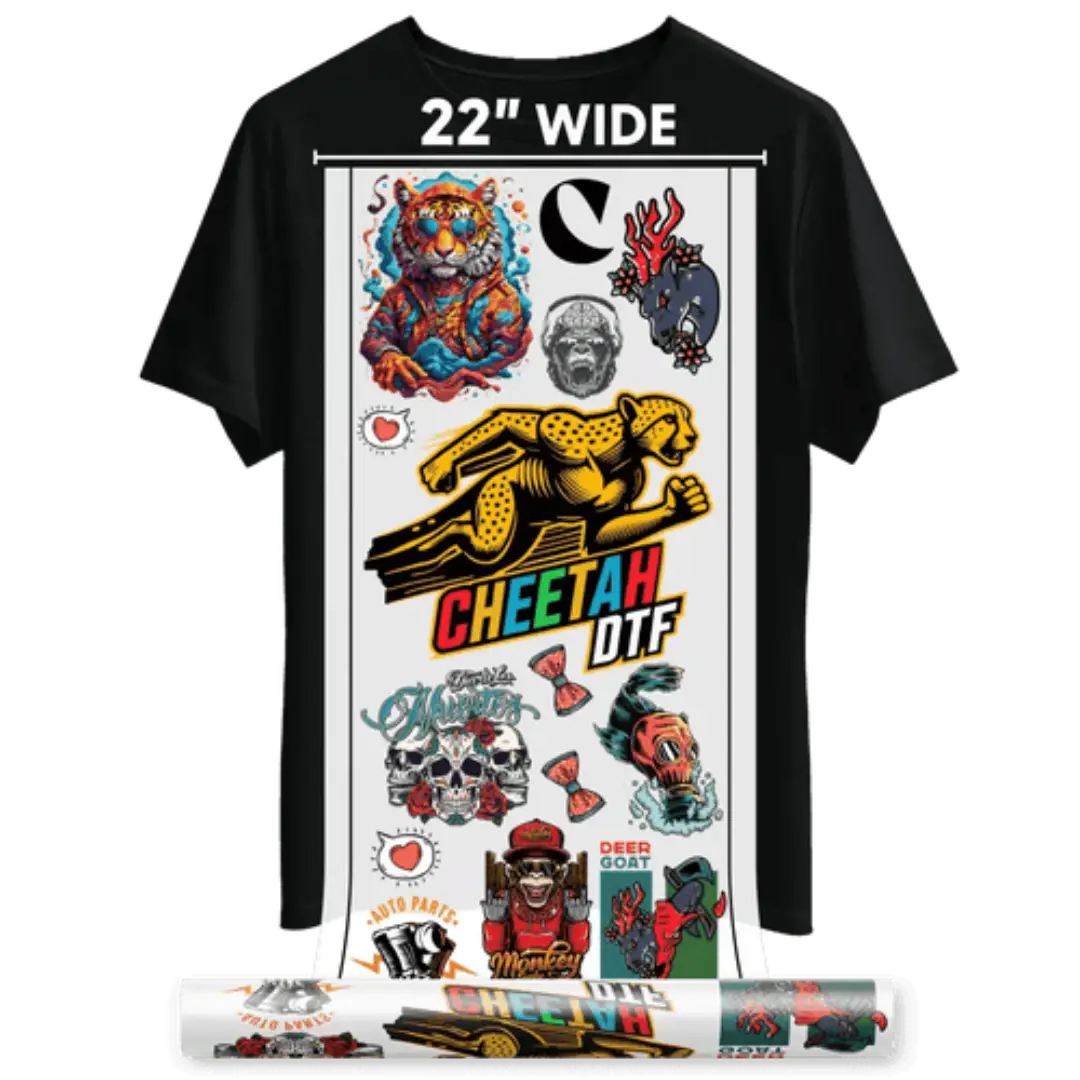
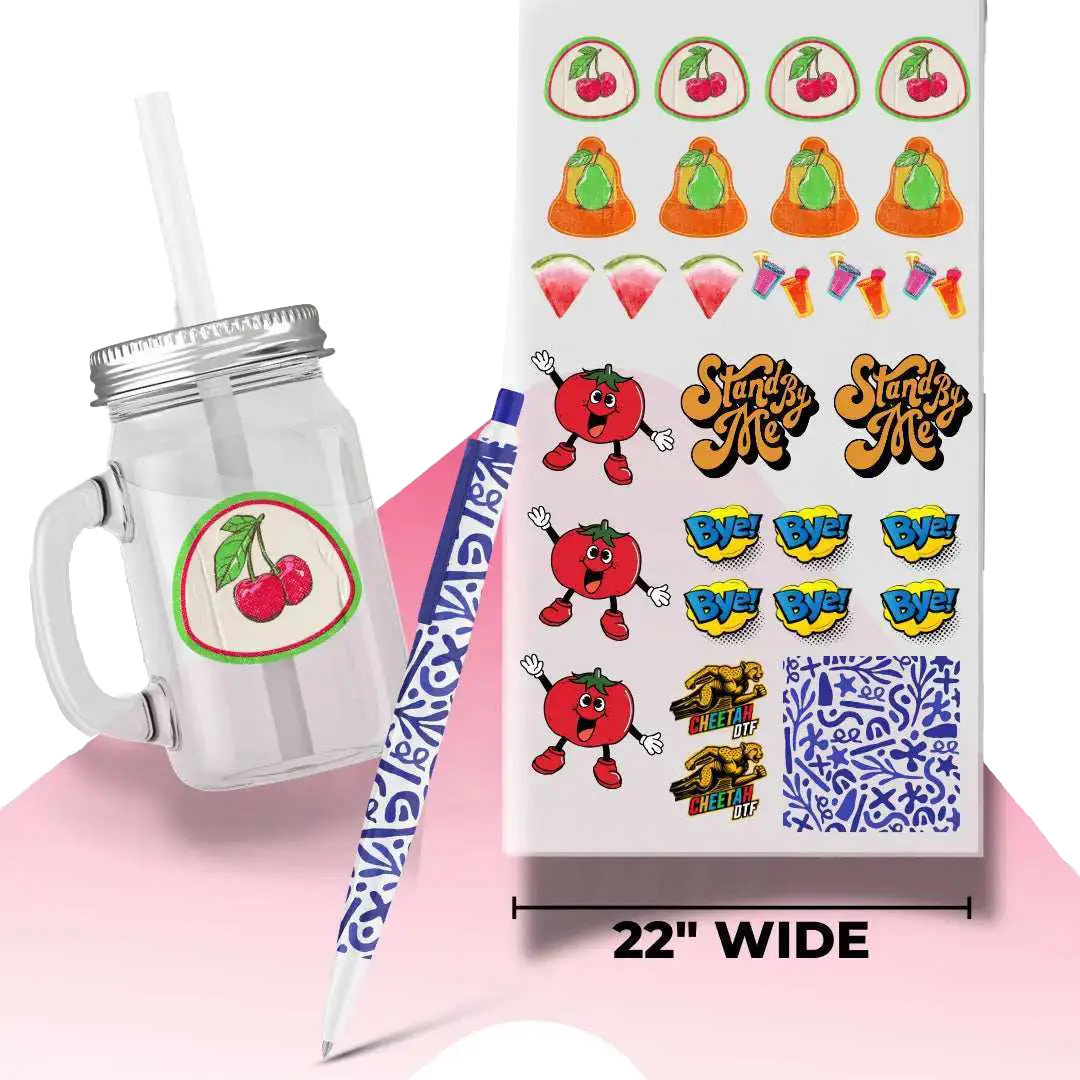
The standard width for most DTF gang sheets stands at 22 inches. The width is used in professional settings because it provides compatibility with both DTF printers and transfer film rolls. The sheet maintains its constant width while its sheet length changes according to your artwork requirements. These measurements are often referred to in printing guides.
The standard DTF gang sheet dimensions include:
22x10, 22x20, 22x30, 22x40, 22x50, 22x60, 22x70, 22x80, 22x90, 22x100,
22x110, 22x120, 22x130, 22x140, 22x150, 22x160, 22x170, 22x180,
22x190, 22x200, 22x220, 22x240, 22x260, 22x280, and 22x300.
You must select the design length because the width remains constant. The sizing structure helps you create layouts that show how many graphics will fit on each sheet. Businesses often choose a custom DTF gang sheet size depending on the quantity of designs they need to print.
2. Choose the Right Length Based on Your Designs
The DTF gang sheet length controls the maximum number of designs that you can print for one production run. The smaller dimensions of 22x10 and 22x20 work well for displaying two logos or tiny graphics. These sizes work best for test printing materials and as options for customers who want to make small custom purchases.
The medium-sized dimensions of 22x60, 22x80, and 22x100 create better spaces for apparel brands that design multiple shirt collections. Businesses can use these sheets to display different graphic designs with multiple size options and various placement choices. Print shops and brands that need to produce large quantities of work use large formats, including 22x150, 22x200, and 22x300, which are common DTF gang sheet sizes. The extended sheets enable printing of multiple transfers, which results in lower design costs for businesses.
3. Plan Your Artwork Layout Efficiently
The first step in the design process requires you to select a gang sheet size. That is why understanding the DTF gang sheet layout size is important to organize graphics properly. A well-organized layout ensures that every inch of the sheet is used effectively, helping reduce waste and improve cost efficiency. Start by uploading your artwork, then upload your largest design elements.
The process becomes easier when you use this method because it allows you to complete the remaining areas with smaller graphic elements, such as logos, sleeve prints, and label designs. Many apparel brands also include different sizes of the same artwork to accommodate various garment styles. The online gang sheet builder streamlines the entire process. You can create professional layouts through drag-and-drop design tools and implement size changes when selecting a custom DTF gang sheet size.
4. Match the Gang Sheet Size to Your Production Goals
The ideal gang sheet size selection requires evaluation of your production requirements and business operations. Small apparel brands that produce limited runs may only need smaller sheets, like 22x20 or 22x40. The two sizes provide the necessary sheet space for brands to test their product designs without the need for actual production work, according to many DTF gang sheet size chart recommendations.
A 22x120 sheet or a 22x150 sheet enables users to create multiple shirt patterns together with sleeve designs and branding materials in a single printing session. This helps businesses choose the DTF gang sheet size based on production volume.
The longest sheets, measuring 22x200 and 22x300, serve as the standard printing solution for large printing facilities and businesses that produce apparel in high volumes. These are widely known as common DTF gang sheet sizes used for bulk production.
Conclusion
Apparel brands use DTF gang sheet size knowledge to make better production decisions, which helps them lower printing costs. Businesses can achieve maximum efficiency by selecting standard-width sheet lengths and properly organizing artwork. Plus, the correct gang sheet size simplifies your printing process, whether you need to print a small number of custom designs or large apparel orders.
Want to start? Try our DTF Sample Pack with our Gang Sheet Builder to test different gang sheet sizes today!
FAQs
1. What does a DTF gang sheet size mean?
A DTF gang sheet size refers to the size of a DTF transfer sheet that printers use to print several designs simultaneously. The majority of sheets maintain a standard width of 22 inches, while their length permits variations between 22x20, 22x60, and 22x200.
2. Why is the 22-inch width the standard measurement for gang sheets?
The 22-inch width remains the most used measurement because it corresponds with the standard DTF gang sheet size used by most professional printers and film rolls.
3. What process do I need to follow to select an appropriate gang sheet size?
To select the appropriate sheet, you should review your design dimensions and printing volume. Learning how to choose DTF gang sheet size helps businesses avoid wasted transfer film and reduce costs.
4. Can multiple designs fit on one gang sheet?
Yes, gang sheets allow several graphics to be printed on a single sheet. Designers often use a planned DTF gang sheet layout size to fit logos, sleeve prints, and large graphics together.
5. Are larger gang sheets more cost-effective?
Yes, larger sheets allow more designs to be printed at once, which lowers the cost per design. They are especially useful in large commercial printing projects where brands need to print in bulk.
6. Do gang sheet sizes affect print quality?
No. Gang sheet size does not directly affect print quality. However, properly organizing artwork with a custom DTF gang sheet size can help maintain consistent results.
7. Can beginners use DTF gang sheets?
Yes, beginners can easily use gang sheets, especially with tools that show a DTF gang sheet size chart to guide layout creation.
8. What designs can be included on a gang sheet?
Almost any graphic can be included,d including logos, sleeve prints, tag labels, and artwork. Understanding different sizes helps designers arrange graphics efficiently.
9. Do we need a gang sheet builder to print apparel?
Yes. Design software can be used but builders simplify layout planning. Many professionals rely on gang sheet builders and gang sheets to print transfers for quick use on garments.
10. Do gang sheets work for all apparel types?
Yes, they can be used on many fabrics including cotton, polyester, and blends. Most apparel manufacturers rely on DTF gang sheet printing sizes to create transfers for multiple garment types.