
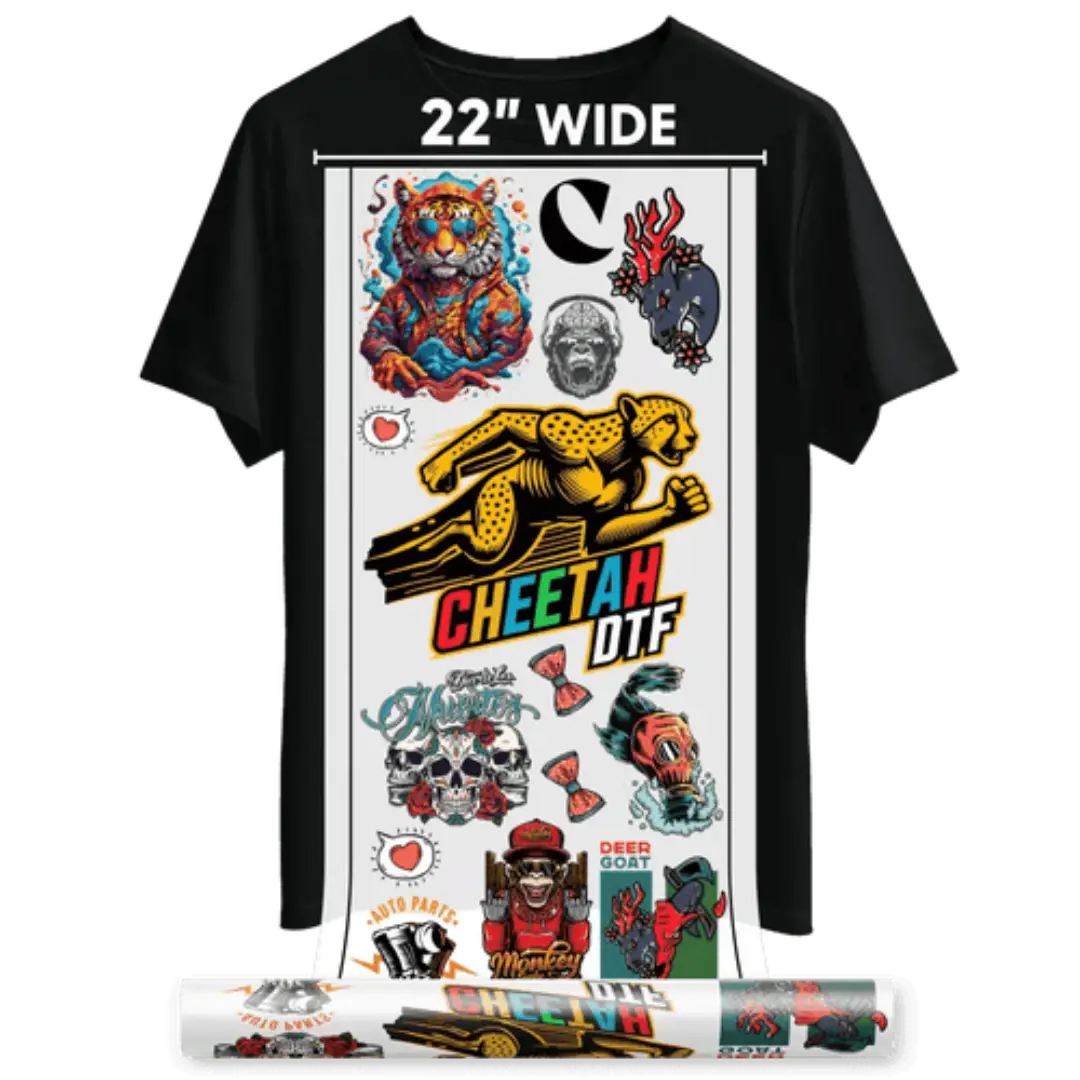
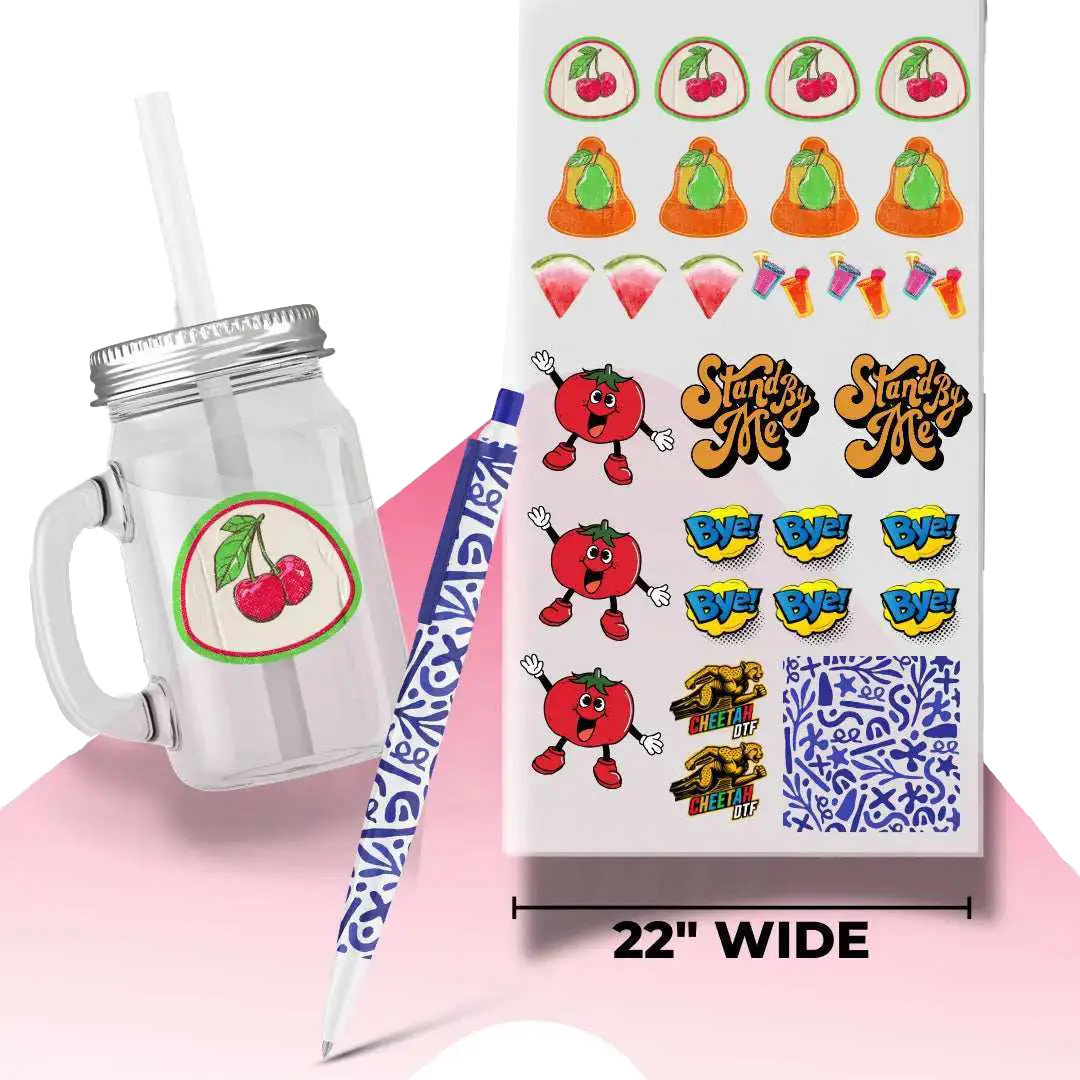


Understanding DTF Transfer File Requirements (PNG, DPI, Resolution) in 3 Simple Steps
Key Highlights
- High-resolution PNG files are essential for creating DTF transfers that display sharp details and bright colors.
- The combination of correct DPI settings and appropriate resolution values produces precise color output and detailed image rendering.
- Correct file preparation reduces wasted materials and time during printing.
- Designs achieve perfect alignment with transparent backgrounds because they enable matching with all fabric types.
- The use of DTF file requirements produces prints that display professional quality and extended durability.
The DTF printing process requires file preparation as its crucial yet most neglected aspect. The final print quality of DTF transfers depends on the selected file format, resolution, and DPI settings according to the right specifications. Poor file preparation results in blurred edges and faded colors, which lead to production delays and increased expenses because of material waste.
Designers, hobbyists, and small business owners can achieve professional-quality transfers by understanding the DTF file specs PNG, which helps them streamline workflows and reduce errors. This blog provides complete information on DTF file types and DPI and resolution requirements, so you can follow three straightforward steps to prepare your artwork for printing with accurate results.
Step 1: Choose the Right File Type
The correct file format must be chosen first for DTF transfer preparation. Designers choose PNG files because their transparent backgrounds maintain design edges, which makes it possible to apply designs directly onto fabric without creating any borders.
JPEGs and other low-quality formats compress the image, which leads to color distortion and pixelation. The initial source of the vector files requires conversion to high-resolution PNG files for DTF printing.
The transparent PNG files enable the white underbase to apply paint only on designated design areas, which results in color preservation and background protection. The correct file type enables printers to produce accurate gradient, fine line, and text element reproduction, which results in precise transfer output throughout the entire printing process. Understanding DTF vector vs PNG is crucial at this stage.
Step 2: Set Correct DPI
Dots per inch (DPI) serves as a vital measurement that determines the printing quality of your DTF transfer. Professional-grade transfers need a minimum of 300 DPI because lower DPI settings create images that show pixelation and display rough edges and have diminished color accuracy.
The DPI value indicates how many dots the printer lays down per inch, which directly affects both the print sharpness and print color intensity. Your artwork needs to have its document resolution set at 300 DPI, while you need to check that the software maintains the DPI value during the exporting process.
The measurement of DPI becomes essential because it enables accurate results for fine details, complex graphics, and small text. Your DTF transfer will achieve a professional appearance that maintains original design integrity when you follow the correct DTF artwork DPI guide procedures.
Step 3: Confirm Resolution and Size
The creation of precise DTF prints requires both resolution and document dimensions to function as essential components. The design remains sharp through high-resolution files because they allow for upscaling to larger dimensions. The artwork resolution must match the required print size, which means an 8x10-inch design needs to maintain 300 DPI at that specific size. Oversized or undersized files may require scaling, which can degrade image quality.
The transparent background must match your resolution settings to work correctly across all fabric types. Plus, the confirmation of resolution and dimensions must occur before printing to avoid blurry edges, stretched designs, and misaligned transfers.
The application of these file preparation standards enables your DTF prints to produce smooth gradients and accurate text and consistent colors, which results in a professional-quality final product. Always check the DTF DPI resolution guide before printing.
Conclusion
The process of DTF file preparation requires proper methods that result in transfers that achieve professional standards through their clear and colorful presentation. Using PNG files while keeping 300 DPI and checking resolution and size requirements enables printers to produce sharp details and accurate colors, which remain intact over time. The comprehension of these file requirements enables users to decrease errors while achieving time efficiency and better print results.
Do you want to start making perfect DTF transfers? Try our DTF Sample Pack with Gang Sheet Builder!
FAQs
1. What is the best file format to use for DTF transfers and why?
The optimal file format for DTF transfers requires users to work with PNG files, which contain transparent backgrounds. The PNG format maintains high-quality image details, which enable precise white underbase alignment and background element visibility. Following DTF transfer PNG requirements guarantees accurate results.
2. Why is DPI important for DTF transfers, and what is the recommended minimum?
DPI serves as the fundamental measurement system that determines how many dots printers place within each inch of printed material. Checking DPI before printing reduces wasted materials and ensures high-quality, professional results. Using the recommended DPI for DTF ensures consistent clarity.
3. How can I check the resolution of my DTF transfer files to ensure quality?
The software programs Photoshop, Illustrator, and GIMP enable users to verify resolution through their graphic design functions. The design must establish a 300 DPI setting that matches the final print dimensions. Confirming DTF PNG resolution helps achieve professional results.
4. Can I use JPEG files for DTF transfers, or should I use a different format?
JPEGs serve as a digital image format that people use, but their compression process results in permanent image quality loss. DTF transfers create blurry edges, faded colors, and unwanted artifacts if the image uses this format. High-resolution PNGs provide the best results for professional DTF transfers. Following DTF image quality requirements ensures vibrant prints.
5. What is the purpose of Transparent backgrounds?
The process uses white underbase and CMYK inks to print the design, which includes specific elements from the design. Designers who use transparent elements in their work create designs that need no additional trimming work and masking processes because their designs become more efficient to produce DTF prints.
6. What happens if I use low-resolution files for DTF printing?
Low-resolution files lead to pixelation, jagged edges, and blurry gradients in DTF prints. The process results in both color loss and design elements that appear lower in quality than intended. Text becomes impossible to read, and fine details appear distorted. Observing DTF PNG resolution standards prevents such issues.
7. Should I adjust the resolution for larger prints?
Yes. The process of increasing a low-resolution design to larger print dimensions results in loss of detail, which eventually creates pixelated images. The dimensions need to be confirmed through testing, which requires 300 DPI at the final output size. The procedure establishes proper DTF print resolution tips standards, which ensure your work achieves professional-quality results.
8. Why should vector files be converted to high-resolution PNGs for DTF printing?
The vector files provide an optimal foundation for artwork creation because they retain their original quality at any size. The DTF printing process requires high-resolution rasterized files to enable accurate ink distribution throughout the process. So, understanding DTF vector vs PNG ensures precise preparation.
9. How do I preserve color accuracy?
Your DTF file requires preparation through CMYK color mode, together with accurate ICC profile selection. The 300 DPI PNG files provide smooth gradient transitions and accurate ink reproduction capabilities. The file compression process should be avoided because it can modify color values.
10. Why is file preparation crucial for beginners?
The process of proper file preparation establishes an efficient workflow that protects against material waste while delivering precise visual results. Beginners who enter this field usually ignore the critical aspects of DPI and resolution, as well as transparency, resulting in poor-quality work. The process of proper preparation establishes a path that helps individuals build DTF design file specs expertise.