
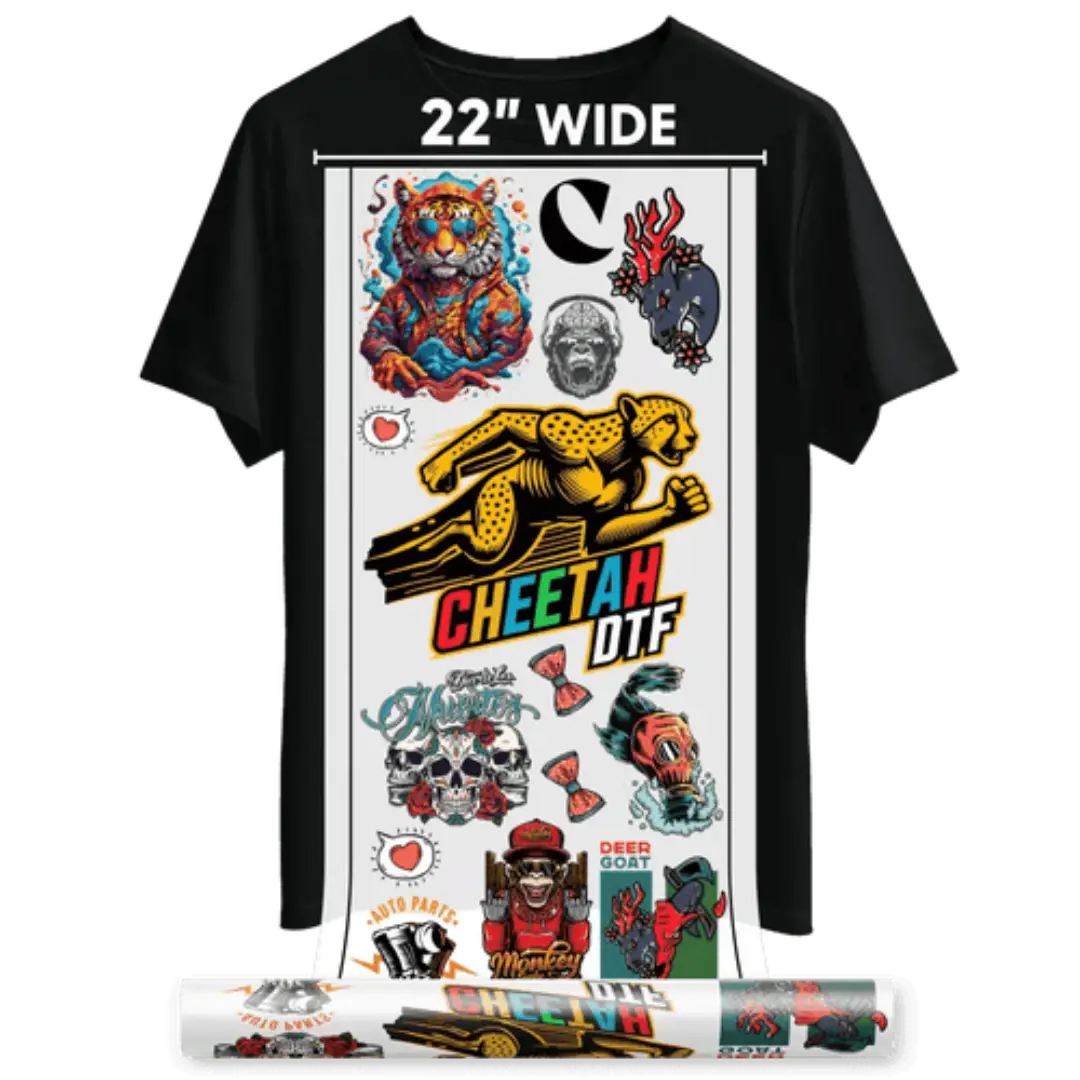
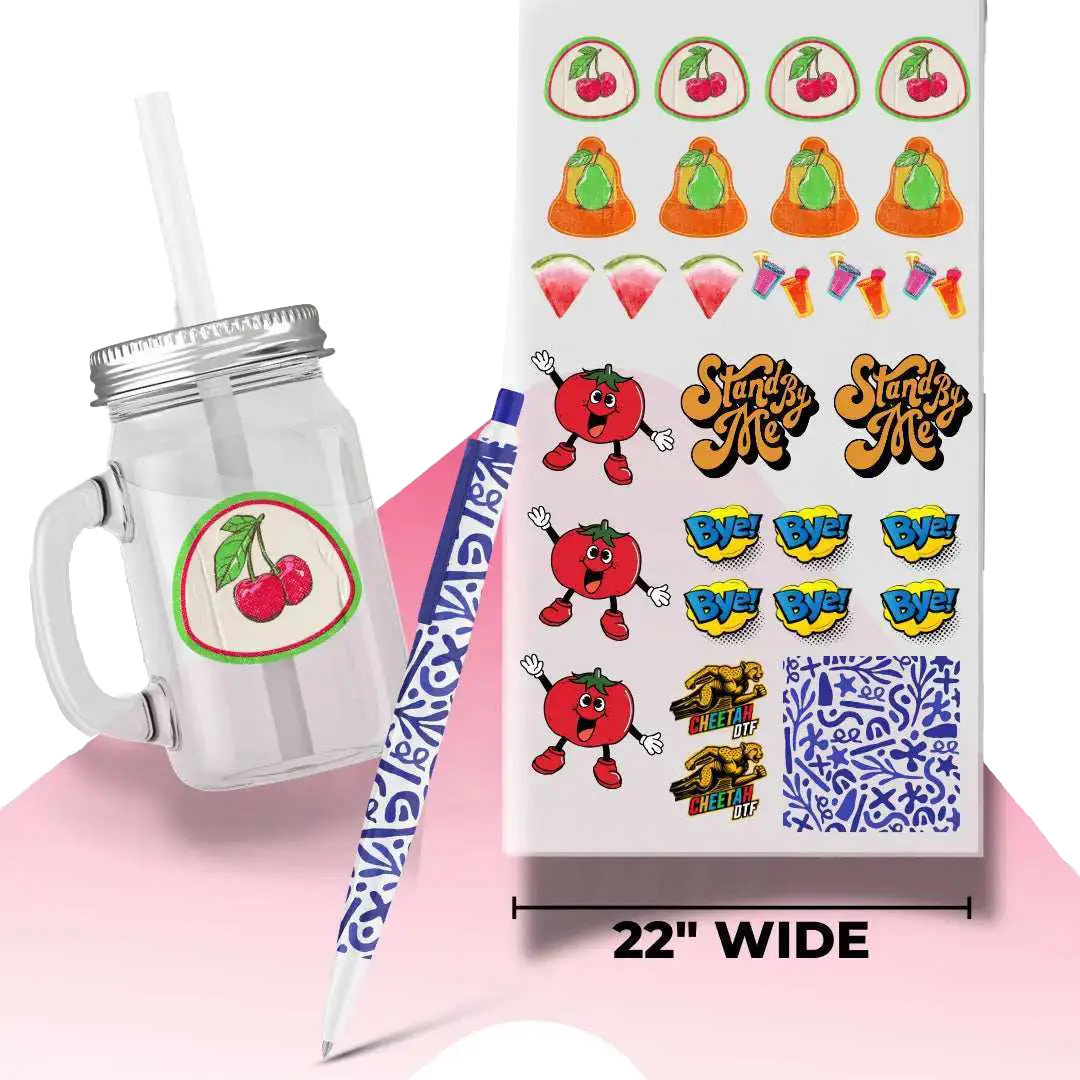


How Do DTF Transfers Work? Step-by-Step Process for Print Shops
DTF (Direct-to-Film) transfers are one of the most popular ways to print apparel in 2026. With a simple heat press, you can transfer designs (regardless of their nature) to a range of fabrics and create highly customized apparel for both brands and commercial stores. DTF is essentially the cheapest way to start printing apparel and start making a profit.
If you haven't looked into it yet, here is your chance. This DTF printing process guide will walk you through the step-by-step DTF transfer process, along with curing DTF inks explained, so you can start printing in no time (and start making money ASAP).
What Are DTF Transfers?
DTF transfers refer to a printing method where designs are printed on a special PET film using water-based pigment inks and transferred onto garments with heat and pressure. This method differs from traditional printing because it does not require direct printing on fabric.
The solution works best for businesses that need to print custom apparel and merchandise while completing on-demand orders, which need quick delivery times and high-quality results.
Materials Required for DTF Printing
The process of DTF transfers requires specific materials that provide both high-quality results and long-lasting performance.
- A DTF printer that uses pigment-based inks to create vibrant, detailed images serves as the main vital element.
- The printed design needs PET transfer film for its application process.
- The adhesive powder functions as the binding agent that connects the ink to the fabric during the heat pressing process.
- The curing oven or heat press machine enables the adhesive powder to reach its melting point while also activating its adhesive properties.
- The design transfer process onto garments requires prepping garments for DTF. You will need a heat press machine, which applies the necessary pressure and temperature.
- Design software such as Photoshop or Illustrator is used for preparing artwork and arranging layouts.
- High-quality cotton, polyester, or blended fabrics are needed for the final application.
DTF Transfer Step-by-Step Process: How to heat press DTF transfers
DTF transfer printing requires multiple defined steps to achieve its desired high-quality output.
- The design process begins with digital software creation, which leads to printing design preparation at high resolution.
- The artwork is printed in reverse onto PET film using specialized DTF inks as the next step. The adhesive powder gets applied to the wet ink surface to stick properly to the surface.
- The film goes through a curing process which utilizes heat to melt the powder and secure the design permanently. The transfer becomes ready for use after it has completed the curing process.
- The film is positioned on the garment, which is placed on a heat pressing machine. The design transfer process uses heat and pressure for a set time period to transfer the design onto the fabric.
- The film gets peeled off after pressing, which results in a bright and long-lasting print.
Benefits for Print Shops
DTF transfers support print shop growth through three key benefits, which include better production efficiency, lower operational expenses, and delivery of consistent high-quality apparel prints.
DTF enables printing on various fabric types, which include cotton and polyester, and their fabric blends, enabling the production of multiple product lines. Additionally, Print shops need less time to set up their operations because DTF printing requires less time than traditional screen printing.
Moreover, the DTF process enables the creation of accurate full-color designs, which lead to higher customer satisfaction. The system effectively manages both small and large orders, which makes it suitable for businesses that provide on-demand printing.
Conclusion
DTF transfers have transformed contemporary clothing printing because they deliver all their operational benefits through one efficient printing method. The system enables printing facilities to create bright and long-lasting patterns on different textile materials without needing complicated equipment installation. The implementation of this approach enables printing businesses to maintain their market position while they expand their custom apparel services and achieve sustainable business growth.
Want to get started? Try our DTF Sample Pack with our Gang Sheet Builder today to see what dTF has in store for you!
FAQs
1. What are DTF transfers used for in printing?
The DTF transfers printing process creates custom designs that produce long-lasting, colorful prints that work on different fabric materials. They are commonly used for custom t-shirts, hoodies, and merchandise. The print shops choose the DTF method because it allows them to print full-color designs, which include gradients and both small and large print jobs.
2. How is DTF transfer different from screen printing?
The DTF transfer method presents an alternative to screen printing because it does not need multiple screens, which are necessary for each color in screen printing. Screen printing works better when businesses need to produce large quantities of products, while DTF enables businesses to create intricate color designs through short production runs without needing to complete lengthy setup procedures.
3. What is pretreatment in DTF printing?
The essential components for DTF printing include a DTF printer, PET film, pigment inks, adhesive powder, and a heat press machine. The design software functions as a vital tool for creating design templates. The adhesive powder needs a curing oven or heat press for setting purposes. The final application requires high-quality fabrics, which include cotton and polyester blends.
4. Why do print shops prefer DTF transfers?
The print shops choose DTF transfers because they enable quick production processes while requiring minimal setup expenses and delivering excellent output quality. The printing process enables manufacturers to produce designs on different fabric materials without needing any pre-treatment.
5. How durable are DTF transfers after washing?
DTF transfers do not sustain damage through multiple washing cycles because their special coating enables them to resist both fading and cracking. The durability of DTF transfers depends on three factors, which include proper heat pressing, usage of high-quality inks, and correct washing procedures.
6. What is the application process for DTF transfers?
The application process for DTF transfers requires the direct placement of printed film onto fabric, followed by heat press. The press machine employs a specific heat and pressure combination with exact timing to enable adhesive bonding between fabric and adhesive material.
7. Can DTF transfers be used on all fabrics?
Yes. The majority of fabrics can receive DTF designs and DTF print finishing, except for certain materials. The printing process works effectively on both light and dark fabrics without needing any special treatment. We recommend that you do a test job before ordering in bulk.
8. What are common mistakes in DTF printing?
The printing errors that occur most frequently during the DTF printing process stem from designers who choose low-resolution artwork, operators who avoid recommended DTF heat settings, and workers who do not follow proper procedures to cure adhesive powder. If you follow proper settings, your transfers will not experience any peeling or fading.
9. Is DTF printing good for small businesses?
Yes. The DTF printing process provides small enterprises with its economical setup requirements and ability to produce small batches of products. The system enables business owners to manage personalized customer requests through its simple operation, which requires no costly machines or sophisticated methods.
10. What is the future of DTF printing technology?
The DTF printing system is already developing with advanced ink performance, faster printing capabilities, and better automation systems. The technology will become more efficient in the near future, helping DTF transfer for beginners become a more affordable process.