


How To Scale Your Shop’s Production Using Bulk DTF Gang Sheets
Running a commercial garment shop without a high-volume layout strategy is a fast way to kill your margins and burn out your press crew. When order queues back up, relying on individual image applications stalls your entire workflow. That is why maximizing your output with a bulk DTF gang sheet becomes the ultimate operational turning point. Forcing isolated prints through a manual heat press line drags down daily shipping numbers, whereas grouping multiple designs onto one wide, continuous transfer roll alters the fundamental financial math of your business.
We have spent twenty years in the printing trenches, moving shops away from messy screen setups and finicky vinyl plotters into streamlined digital fulfillment. Whether you run a home-based boutique or manage an automatic screen line facing high minimums, mastering large-scale Direct-to-Film (DTF) file assembly is how you defend your bottom line.
Production Notice: Tired of wasting film roll space and spending endless hours weeding out vinyl? Set up your high-volume wholesale printing account with Cheetah DTF right now to cut your material expenses by up to 45% on major runs.
The Hard Financial Math of Large-Scale Transfer Layouts
Traditional apparel decoration contains built-in bottlenecks. Screen printing demands substantial darkroom labor, emulsion drying time, and precise registration setups before you pull a squeegee. Direct-to-Garment (DTG) systems bypass screen prep but limit you to a slow, single-shirt pre-treatment and curing cycle that chokes daily output.
Traditional Screen Prep -> 2 Hours Labor -> Fixed Costs Applied -> Profit Loss on Short Runs
Continuous Roll Layouts -> 15 Mins Digital Setup -> Zero Screen Waste -> High Margin Fulfillments
Grouping your graphics onto wide roll media changes the game. You erase setup labor entirely, allowing your business to handle complex, multi-colored artwork files for a tiny fraction of conventional costs.
True Operational Cost Breakdowns
Let us look at verifiable industry numbers. Consider an order run of 200 full-front, five-color custom hooded sweatshirt graphics.
|
Decoration System |
Setup Time |
Fixed Labor Cost |
Raw Material Cost |
Total Production Time |
|
Screen Printing (5 Screens) |
3.0 Hours |
$90.00 |
$22.00 |
4.5 Hours |
|
Single-Piece DTG Systems |
0.0 Hours |
$160.00 |
$490.00 |
8.5 Hours |
|
Bulk DTF Gang Sheets |
0.4 Hours (Layout) |
$24.00 |
$210.00 |
2.0 Hours |
Note: Calculations based on national standard shop labor rates of $30/hr and average commercial raw material pricing.
File Construction Standards For High-Yield Commercial Rolls
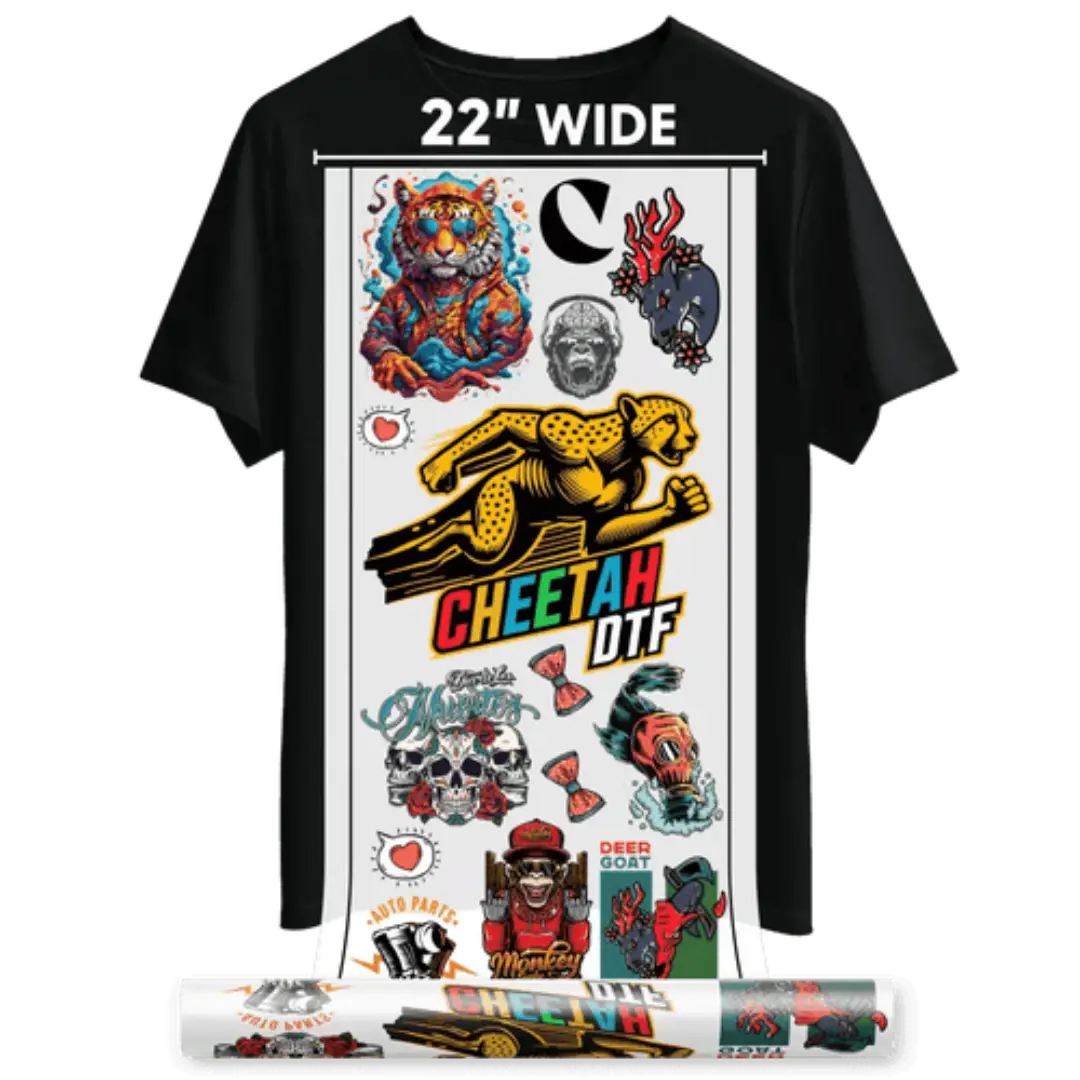
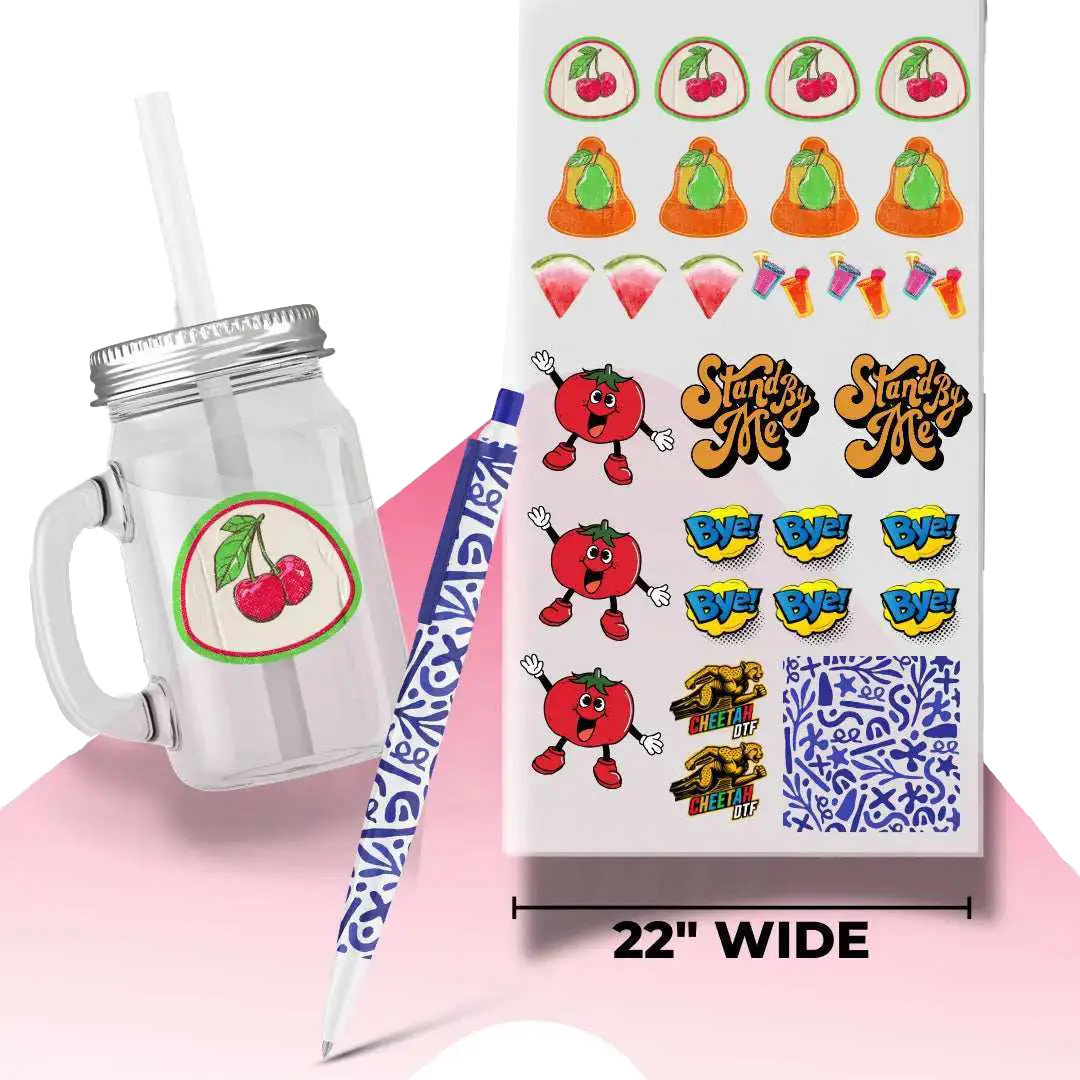
To squeeze every drop of value from your transfer media, you must master the mechanics of file preparation. A multi-print layout sheet is an extended digital canvas—commonly 22 to 24 inches wide and running up to 100 feet long—filled with various design files tightly arranged for maximum utilization.
Resolution Profiles and Color Spaces
Every single graphic asset you place on the roll must be built at 300 DPI (dots per inch) at its final physical print dimensions. Taking a low-resolution web asset and stretching it inside a vector layout program generates blurry borders and muddy ink output.
Stick to the CMYK color space during creation. Digital displays project light using RGB, but commercial wide-format print heads drop physical Cyan, Magenta, Yellow, and Black inks. Designing directly in CMYK prevents jarring shifts when your files transition to physical film.
Managing Transparent Vectors
Your design files must possess clean, absolute transparent backgrounds. Any stray pixels, soft feathered edges, or hidden white backdrops cause the RIP software to trigger a heavy white underbase ink layer. This ruins the final look and wastes hot-melt adhesive powder.
Always review your exported files against a bright neon background plate in your design system to spot floating pixels before saving your final document as an uncompressed PNG or native vector PDF.
Spatial Margins For Quick Finishing
Do not pack your items too closely together. Maintain a minimum distance of 0.4 inches between individual artwork borders.
Your shipping team requires adequate space to slice the graphics apart using manual scissors or commercial rotary blades. Cramming items together saves a tiny sliver of film but dramatically increases the likelihood of cutting into an adjacent graphic during post-print fulfillment.
Speeding Up File Assembly With Automated Software
Piecing together massive print files manually inside standard vector software is an operational drag. If your crew handles multiple custom client rosters daily, adopting a dedicated DTF gang sheet builder automates your layout system completely.
Manual Assembly -> High Margin for Human Error -> Overlapping Graphics -> Ruined Rolls
Automated Builders -> Pixel-Perfect Nesting -> Automated Quantities -> Flawless Output
Automation Platforms vs. Manual Artboards
Modern web-based nested layout tools let you upload individual art pieces, type in your specific target numbers, and watch the software auto-arrange the files for zero waste. This process eliminates overlapping bounding boxes and saves hours of design desk labor every single week.
Correct File Protocols For Large-Scale Commercial Output
When exporting finished gang files, stick to PDF, EPS, or uncompressed PNG. Do not utilize compressed JPG files, which discard transparency channels and distort fine typography lines.
Keep your finest design details above 2.5 points in thickness. Anything more delicate will struggle to hold enough white ink base to grab the adhesive powder firmly during the heat curing process.
Common Assembly Blunders To Watch For
- Double-mirroring art files: Most commercial print software handles image mirroring automatically. If you mirror the file yourself first, it will print backwards on the roll.
- Ignoring boundary edges: Keep all artwork elements at least 0.25 inches away from the absolute edge of the media canvas to avoid print head clipping.
- Overlapping transparent bounding frames: Ensure the outer clear zones of your artwork files do not cross paths, which can accidentally delete sections of neighboring graphics.
Production Tip: Are your operations grinding to a halt due to slow artwork preparation? Utilize the automated DTF gang sheet builder from Cheetah DTF to drop in your assets, optimize your film space instantly, and accelerate your daily shipping schedules.
Sourcing Durable Transfers For Your Production Infrastructure
As your printing business scales up, your choice of supply chain partners dictates whether you generate true profits or burn cash on bad materials. Finding a reliable DTF gang sheet supplier keeps your application line running consistently without unexpected mechanical downtime.
Cheap Importers -> Brittle Prints, Clogged Heads, Migrating Dyes, Poor Wash Life
Premium Partners -> Vibrant Colors, High Elasticity, Fast Peeling, 50+ Wash Durability
Local Supply Partners vs. Blind Overseas Shippers
While overseas print brokers might lure you in with cheap baseline prices, the hidden fees will decimate your margins. Extended shipping windows, unpredictable border clearances, and zero quality protection can leave your shop stranded without raw materials when a major order hits.
Partnering with a domestic production house guarantees predictable delivery dates and matching quality standards, which are critical elements when managing rigid commercial contracts.
Evaluating Ink Quality and Mechanical Longevity
Not all film coatings and plastisol-based inks react similarly under an industrial heat press. Substandard white inks split and clog fine nozzles, causing banding lines across your prints, while low-grade film bases refuse to release cleanly after application.
High-grade transfer components produce deep color matching, flawless gradients, and a soft physical feel that survives fifty tough commercial laundry cycles without cracking or lifting off the garment fibers.
On-Demand Fulfillment Options For E-commerce Operations
If you run an online boutique or Etsy storefront, you do not need to buy massive commercial equipment to scale your operation. By adopting a print on demand DTF transfers production model, you can focus completely on design and marketing while outsourcing the heavy manufacturing steps.
You upload your grouped graphics sheets, receive your fully cured, ready-to-press rolls in the mail, and apply them with a standard clamshell press only after an actual retail sale goes through.
Master Pressing Protocols For Maximum Durability
Flawless execution at the heat press is the only thing that guarantees a long-lasting print. Even the highest quality transfer film will fail out in the field if your time, heat, or pressure variables drift during application.
Cotton Items -> 315°F -> 12 Seconds -> Heavy Structural Pressure (60 PSI)
100% Polyester -> 280°F -> 10 Seconds -> Medium Structural Pressure (40 PSI)
Commercial Fabric Application Standards
|
Target Fabric Base |
Temperature Range |
Application Time |
Platen Pressure |
Film Peel Style |
|
100% Ringspun Cotton |
310°F – 320°F |
12 – 15 Seconds |
Heavy (60 PSI) |
Instant Warm / Cold |
|
100% Poly Athletic Mesh |
275°F – 285°F |
10 – 12 Seconds |
Medium (40 PSI) |
Absolute Cold |
|
50/50 Fleece Blends |
295°F – 305°F |
12 – 15 Seconds |
Heavy (55 PSI) |
Warm / Cold |
|
Performance Spandex / Nylon |
265°F – 275°F |
8 – 10 Seconds |
Light-Medium (35 PSI) |
Absolute Cold |
Temperature Calibration and Pressure Balancing
Always use a digital laser pyrometer to confirm that your heating elements are throwing even heat across the entire surface area. Cold spots on a heat platen are the top cause of localized transfer peeling.
When working with heavy polyester sportswear, drop your application heat and use specialized anti-sublimation blockout backing layers to prevent synthetic fabric dyes from bleeding upward into your white ink base.
Hot Peel Mechanics vs. Cold Peel Mechanics
Always operate exactly within the guidelines provided by your film house.
Hot peel films let your operators rip the plastic carrier sheet away immediately within two seconds of the press opening, which dramatically accelerates your packing line.
Cold peel films demand that the garment cools down completely to room temperature before you remove the clear sheet. Stripping a cold-peel transfer while it is still warm will pull the ink away from the threads and ruin the clothing item.
The Critical Secondary Finishing Press
Never skip the final sealing press. After pulling the clear carrier film away, place a piece of silicone-coated parchment paper or a textured finish sheet directly over the exposed design and press for another 5 seconds.
This vital step drives the ink layer deep into the fabric weave, locks down the vulnerable outer edges, eliminates any unnatural plastic shine, and delivers a professional matte appearance.
Maximizing Profit Margins On Commercial Print Runs
When you shift your wholesale buying toward a DTF gang sheet bulk order setup, you can restructure your outward pricing to dominate high-volume commercial bids. Because your foundational cost per square inch plummets as you pack more files onto a roll, you can offer highly competitive volume discounts to corporate accounts, schools, and event groups while keeping your internal margins exceptionally high.
Maximize Layout Density -> Lowers Per-Logo Film Cost -> Boosts Contract Winning Rates
Optimize your shop calendar by saving small, single custom orders and nesting them onto designated weekly production run sheets. This system allows you to fulfill small Etsy jobs alongside massive contract client runs, extracting money from every square inch of film and turning scrap waste into extra shop revenue.
Moving your production floor away from old single-image setups over to high-yield film rolls is the fastest way to scale your garment decoration business. By streamlining your layout files, using modern online layout builders, and partnering with a reliable domestic manufacturer, you can slash your turnaround times and keep your fulfillment lines moving smoothly. Stop wasting time weeding vinyl and washing screens. Organize your graphics, fill your production rolls, and scale your business using a bulk DTF gang sheet strategy.
A Performance Review: Cheetah DTF Helped a Local Print Shop Transform Its Production Workflow with Bulk DTF Gang Sheets
Before (Struggling Workflow)
- The shop focused on high-volume high school sports uniforms, but demand shifted to small, complex multi-color orders
- Screen printing became unprofitable for orders under 75 pieces due to high setup costs
- A digital print-and-cut vinyl system was introduced, but manual weeding created a major production bottleneck
- Orders piled up in the warehouse and shipments were delayed
- Average turnaround time stretched to 12 days
- Lost efficiency due to fragmented, job-by-job production flow
After (Optimized with Cheetah DTF Workflow)
- Small-batch orders under 150 pieces were rerouted to a continuous film roll production system
- Multiple customer jobs were combined into shared 100-foot production runs instead of separate setups
- Multi-color logos and names were processed in a streamlined batch workflow
- An automated inline powder shaker reduced manual finishing work and removed the weeding bottleneck
- Screen printing capacity was reserved for larger, more profitable runs
Results
- Production labor reduced by 70%
- Turnaround time improved from 12 days → 48 hours
- Faster job batching enabled smoother warehouse flow
- Added $22,400 in new regional commercial accounts within 90 days
- Significantly improved ability to handle complex, small-batch custom orders
Grow Your Printing Business Today
Ready to optimize your daily workflow and scale your print output? Upload your artwork files to the Cheetah DTF automated processing platform right now to claim wholesale volume discounts on your next production run.
Frequently Asked Questions
What is a bulk DTF gang sheet?
A bulk DTF gang sheet is a long continuous sheet of transfer film that contains multiple different artwork designs arranged together on one print layout. This method allows print shops to produce many logos in a single run, reducing waste, saving ink, and lowering overall production costs significantly per order.
How do I use a DTF gang sheet builder?
A DTF gang sheet builder is an online design tool where you upload your transparent artwork files and place them onto a fixed-size canvas. You can resize, duplicate, rotate, and organize designs efficiently to maximize space usage. Once finalized, the layout is exported for professional printing on transfer film.
Why choose DTF gang sheets for businesses?
DTF gang sheets are ideal for businesses because they remove the need for separate setups for each design, which saves time and labor. They improve efficiency, reduce production costs, and make small or multi-color orders profitable while allowing faster turnaround and consistent high-quality results across all printed garments.
Can I get custom DTF gang sheets for different fabric types?
Yes, custom DTF gang sheets can be used on a wide range of fabrics including cotton, polyester, nylon, and blended materials. The transfer process remains the same, but heat press settings like temperature, pressure, and time must be adjusted slightly depending on fabric type to ensure strong and durable adhesion.
How does a DTF gang sheet bulk order reduce shop waste?
Bulk DTF gang sheet orders reduce waste by maximizing the use of every inch of transfer film. Instead of leaving blank space, multiple logos, names, or designs are placed together on one sheet. This improves ink efficiency, reduces leftover material, and significantly lowers the overall production cost per item.
How does Cheetah DTF ensure consistent color matching across large transfer orders?
Cheetah DTF ensures consistent color matching across large orders by using advanced ICC color profiling and calibrated industrial printing equipment. This system standardizes color output so every print remains consistent from start to finish, accurately matching the original digital artwork across all sheets in a production run.
What makes print on demand DTF transfers ideal for small clothing brands?
Print on demand DTF transfers are ideal for small clothing brands because they remove the need for expensive printing machines and large inventory storage. Brands can order designs only when needed, reducing upfront investment, minimizing risk, and allowing flexible production for custom apparel and fast-changing customer demands.
How long do prints from a quality DTF gang sheet supplier last?
High-quality DTF gang sheet prints typically last over fifty wash cycles when applied correctly using proper heat press techniques. They maintain strong color vibrancy, resist cracking, and remain flexible on fabric. With proper care, the prints continue looking fresh without peeling or fading through long-term regular use.
Can I combine different client orders on the same Cheetah DTF production run?
Yes, multiple client orders can be combined into a single Cheetah DTF gang sheet production run. This batching strategy increases efficiency, reduces setup time per job, and allows print shops to lower costs while improving workflow speed. It is especially useful for handling multiple small orders profitably.
What file format should I use when sending layouts to a DTF gang sheet builder?
The best file formats for sending layouts are high-resolution PNG files with transparent backgrounds or flattened vector PDFs at 300 DPI. These formats ensure clean edges, accurate color reproduction, and sharp print quality, while avoiding compression issues and artifacts commonly found in lower-quality JPG image files.
Author Profile
Cheetah DTF writing staff includes manufacturing experts that bring over two decades of commercial apparel printing and wide-format conversion experience to the production floor. We have guided more than 300 independent print shops through the transition from manual analog equipment to automated digital film production lines. Our technical focus centers on ink curing optimization and cost-per-print reductions for commercial shipping facilities.