


Standard DTF Gang Sheet Sizes Explained: 22x24, 22x60, 22x120 - Which One Should You Use?
Most shops pick a DTF gang sheet size based on habit, not math. That habit is costing them real money on every order. The difference between 22x24, 22x60, and 22x120 isn't just length. It's how you print, how you press, how you price, and how much film you throw in the trash.
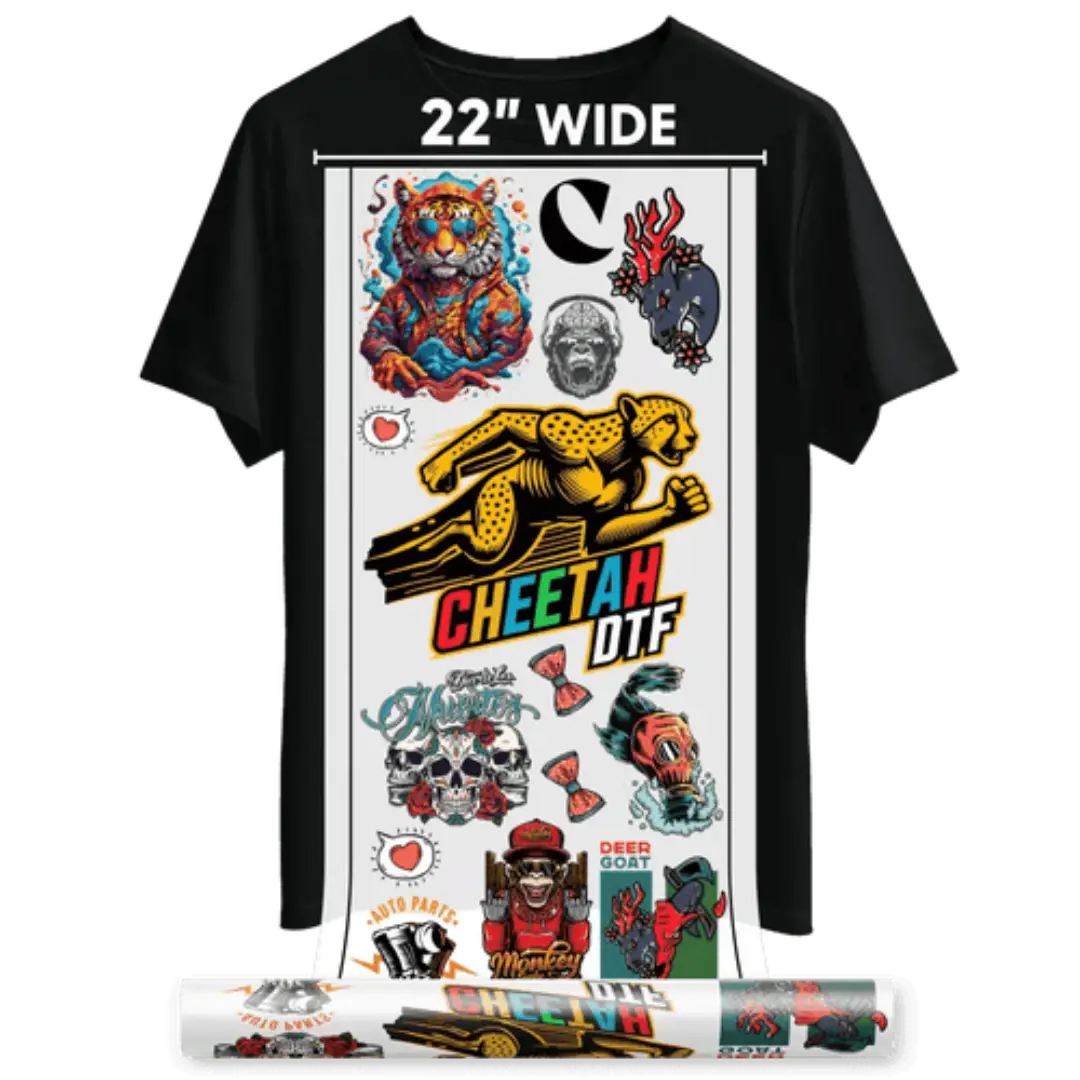
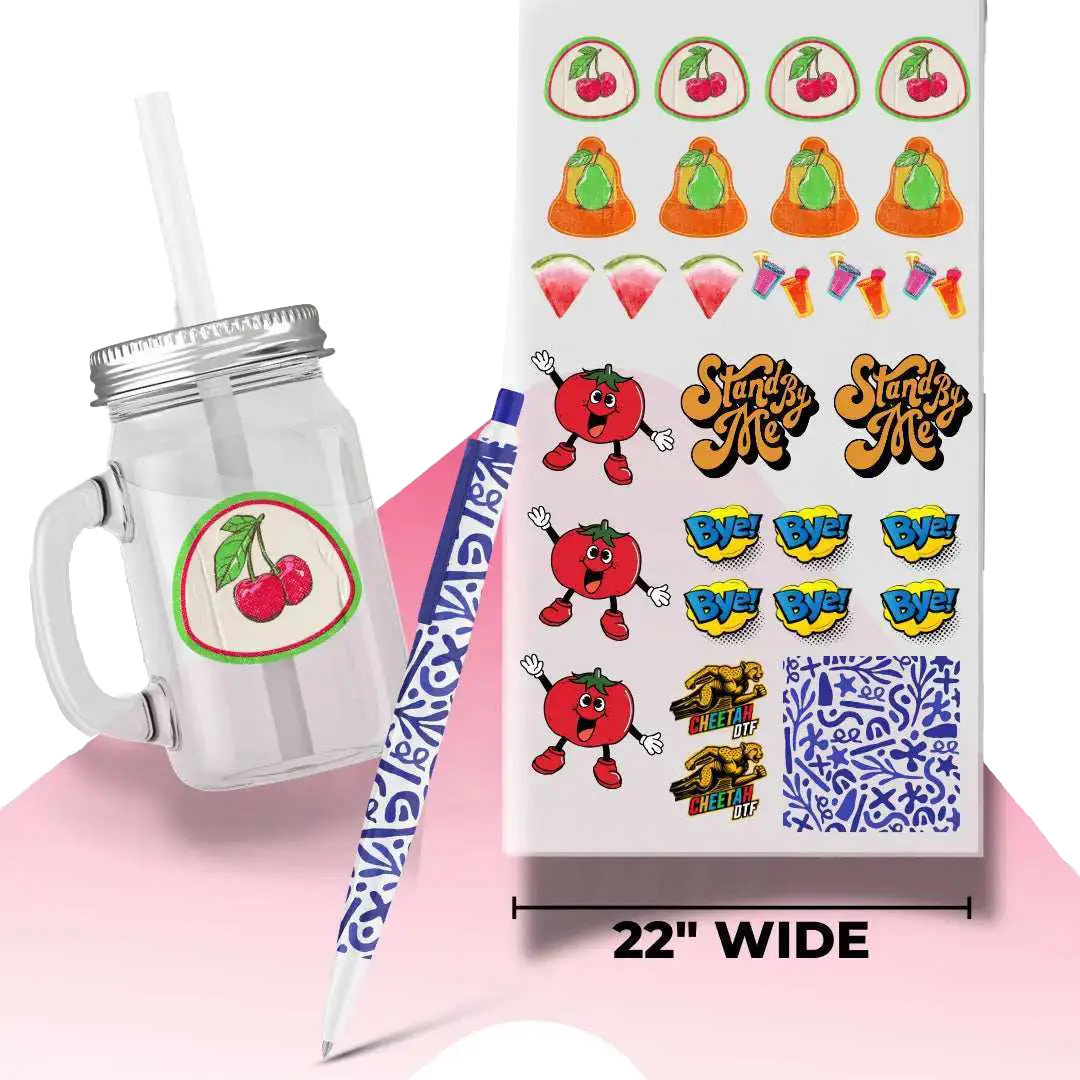
A DTF gang sheet is a single sheet of PET film where multiple designs are grouped together to be printed at once. The standard width is 22 inches to fit the most common DTF printers, while the length changes. Understanding which length to use is the fastest way to improve your margins without buying new equipment.
The Biggest Myth About DTF Gang Sheet Sizes
The industry tells you that longer is always cheaper. It isn't. We have seen this logic burn more shops than bad powder curing.
Why Bigger Isn't Always Cheaper for Your DTF Gang Sheet
The math looks simple at first. A 22x24 sheet from a quality supplier runs around $8 to $12. A 22x60 runs $18 to $24. A 22x120 runs $32 to $45. On paper, the cost per square inch drops as you go longer. And if you sell gang sheets, that drop looks like a selling point.
But the production cost is not the film cost. A 22x120 holds roughly 5 times the designs of a 22x24, but if one small design has a white ink issue, a banding line, or a powder clump, you risk the entire sheet. With a short sheet, you lose 8 designs. With a long roll, you lose 40. We stopped recommending 120-inch sheets for mixed-customer orders years ago because the reprint risk wipes out the film savings.
What Print Shops Get Wrong About Standard Sizing
The second myth is that all three sizes serve the same purpose. They don't. Think of them as three different tools. The 22x24 is a sampling and short-run tool. The 22x60 is a production workhorse. The 22x120 is a bulk manufacturing tool. When you use the wrong tool, you create extra cutting time, extra weeding time, and extra sorting time. That labor costs more than the film you saved.
Explore the Complete File Setup Checklist for Bulk DTF Gang Sheets before You Build Your Next Gang Sheet.
Breaking Down the 22x24 DTF Gang Sheet
This is the sheet everyone starts with. And for good reason. It is forgiving, fast to handle, and easy to store.
The Real Cost Per Design on a Small Sheet
Let's do real numbers. A 22x24 sheet has 528 square inches of printable area. After you leave a 0.5-inch margin on all sides for printer grip, you have about 462 usable inches. If you are printing 4-inch left chest logos, you can fit around 24 to 28 pieces comfortably with proper spacing. At $10 per sheet, your film cost is about $0.36 to $0.42 per logo before ink and powder.
That is higher than a long sheet. So why do we still run thousands of these? Because time matters. A 22x24 can be printed, powdered, cured, and on the heat press in under 8 minutes. No heavy rolling. No tangled film. No extra person needed to hold the other end. For 1 to 30 piece orders, it is the most profitable format.
When a 22x24 Makes You More Money Than a Large Format
If you are doing samples for a client, one-off birthday shirts, or testing a new DTF gang sheet layout, this size wins. We use it when a shop is dialing in a new design with fine lines or small text. You waste less if you need to adjust color. It also wins when you have a heat press with limited space. A 22-inch wide sheet is awkward to cut on a small table. A 24-inch long sheet is manageable for one person.
When the 22x60 DTF Gang Sheet Layout Actually Works
If we had to pick one size to run all day, this would be it. The 22x60 hits the balance between cost, handling, and output.
The Sweet Spot for Mid-Size Orders and Mixed Logos
The 22x60 gives you 1,320 square inches. Usable area is about 1,200 square inches. This is where your gang sheet space optimization actually starts to work. You can mix a 10-inch back design with two 3-inch sleeve logos and fill the gaps with hat patches or small chest hits. That mix is impossible on a 22x24 without feeling cramped.
Most shops doing 30 to 150 shirts a day live on this size. You can fit a full 12-shirt order with front, back, and sleeve prints on one sheet. Your cutting time stays low because you are not opening five separate sheets. And your cost per logo drops to around $0.22 to $0.30, which is a 35% improvement over the 22x24 based on current 2026 film pricing from major US suppliers.
How Gang Sheet Space Optimization Changes at 60 Inches
At 60 inches, layout strategy matters more than size. This is where a proper DTF gang sheet layout guide becomes critical. We see shops leave 1-inch gaps between designs because they are afraid of melting. That fear costs them 15 to 18% of usable film on every sheet.
We keep spacing at 0.25 to 0.375 inches. The transfer peels clean at that distance and you don't risk pulling another design. We also rotate designs 90 degrees to fit curves. A 10-inch tall design turned sideways might allow you to fit an extra row of 4-inch designs underneath. This is where a visual gang sheet builder helps, but your eye still beats automation for tight nests.
The Truth About the 22x120 DTF Gang Sheet Builder Approach
The 22x120 is the bulk buyer's sheet. It is not for everyone. And if you sell transfers, it should not be your default.
Best DTF Gang Sheet Layout for Bulk Production Runs
The 22x120 offers 2,640 square inches. At $38 average, your film cost can drop below $0.18 per 4-inch logo. That is why large shops love it. If you have a 1000-piece order with the same 3 designs, this sheet is unbeatable. You print once, you cure once, you cut in a straight line.
But this sheet demands discipline. You need a clean, dust-free environment, a second person or a roller system to handle the film without dragging it, and a gang sheet builder workflow that groups designs by size and color density. White ink consumption goes up on long runs because the printheads stay hot longer, which changes ink laydown. We have measured up to 8% more white ink usage on a 120-inch run versus two 60-inch runs of the same art.
Why Long Sheets Demand a Different Gang Sheet Builder Mindset
You cannot layout a 120-inch sheet like a longer 24-inch sheet. You have to build it in zones. Zone 1 for large backs, Zone 2 for medium fronts, Zone 3 for small left chest and accessories. If you scatter small logos between large ones across 10 feet of film, your cutter will spend 20 minutes hunting for them.
Another issue is storage and shipping. A 22x120 sheet shipped folded will crease and create press marks. It must ship rolled in a tube. That tube costs $4 to $7 extra and increases freight damage risk. For many of our clients, two 22x60 sheets rolled together are safer and press faster than one 22x120.
Gang Sheet Layout Tips That Save Real Film
Everyone talks about fitting more designs. Few talk about fitting the right designs together. That is the real skill in any gang sheet layout.
First, group by press temperature. Some DTF films peel at lower temps for delicate fabrics. If you put a heavy cotton back design that needs a firm press next to a nylon windbreaker logo that needs light pressure, one will fail. Keep similar fabrics together.
Second, group by weeding difficulty. Small text and fine lines need more careful cutting. If you mix them with big solid squares, you will rush and tear the small ones. Put all your intricate work in one area of the sheet.
Third, always add a sacrificial row. Leave a 2-inch strip at the end of your sheet for a color check and a peel test. That strip saves you from pressing 40 bad transfers. This one tip from our production floor has saved more reprints than any DTF gang sheet builder software ever has.
And stop chasing perfect fill percentage. A sheet that is 92% filled but takes 25 minutes to cut is less profitable than a sheet that is 82% filled and cuts in 8 minutes. Labor is $18 to $25 an hour in most US shops in 2026 according to IBISWorld screen printing labor reports. Your time is the expensive part, not the PET film.
Final Take on Choosing Your DTF Gang Sheet Size
So which one should you use? We will make it simple.
Use 22x24 when you are testing, sampling, or printing under 30 pieces with quick turnaround. Use 22x60 when you are running a real print shop doing daily orders with mixed sizes. This is your workhorse and the best DTF gang sheet layout to master first. Use 22x120 only when you have a true bulk run of the same art or you have a dedicated cutting and sorting system.
The shops that scale fastest are not the ones that buy the longest sheets. They are the ones that standardize on one primary size, build a repeatable gang sheet layout process, and only go long when the order justifies the handling. If you are trying to save money, don't start with film length. Start with tighter spacing, smarter rotation, and grouping by job type. That is where Cheetah DTF sees the biggest gains for new partners moving from hobby printing to full production.
Send us your gang sheet and we'll audit it for FREE. We'll show you how much film you're wasting and rebuild it tighter on the RIGHT size sheet for your job.
Why print with us?
✔️ Perfectly Sized: We optimize your layout for 22x24, 22x60, or 22x120
✔️ No Wasted Film: Tighter ganging = lower cost per print
✔️ Consistent Quality: Hot-peel, vibrant colors, every time
✔️ Fast Turnaround: Ready to ship in 24-48 hours
[Start Your Order at Cheetah DTF]
Frequently Asked Questions
How Many Designs Can You Fit on a Standard DTF Gang Sheet?
It depends on the size of your designs. A 22x24 sheet fits about 24 four-inch logos, a 22x60 fits around 60 to 70 of the same size, and a 22x120 can hold 130 to 150. If you mix sizes, you can often add 15% more by filling gaps with smaller art. Always leave 0.25 inches between transfers.
What Is the Most Cost Effective DTF Gang Sheet Size for Small Businesses?
For most small shops doing under 100 shirts a day, the 22x60 is the most cost effective DTF gang sheet. It drops your film cost per logo to about $0.25 while staying easy to handle alone. The 22x24 costs more per print and the 22x120 adds labor and storage costs that offset film savings.
What Is Gang Sheet Space Optimization and Why Does It Matter?
Gang sheet space optimization is the process of arranging multiple designs on one DTF gang sheet to waste the least amount of film. It matters because wasted film is wasted profit. Tight nesting with 0.25 inch spacing and mixing large and small designs can save 15 to 25% on film costs per order, which adds up to hundreds per month.
How Do I Create a DTF Gang Sheet Layout That Peels Clean?
To create a clean peeling DTF gang sheet layout, keep 0.5 inch margins on all edges and 0.25 to 0.375 inches between designs. Avoid placing designs too close to each other or to the edge where powder can clump. Group similar sizes together and always test peel one transfer from each zone before pressing the full run.
Is a Gang Sheet Builder Software Worth It for DTF Printing?
Yes, a gang sheet builder is worth it if you print more than 10 sheets a week. Good software can auto-nest designs and show you real-time cost per print. However, manual layout in Photoshop or similar tools still gives you more control for complex mixed orders. At Cheetah DTF we use both methods depending on the job type.
What Is the Best DTF Gang Sheet Layout for Mixed Size Orders?
The best DTF gang sheet layout for mixed orders uses a zone approach. Place large back prints in one row, medium front prints in the second row, and small logos, sleeve hits, and hat patches in the remaining gaps. Rotate designs when needed and fill dead space with extra small designs you can use for future orders.
How Much Does a DTF Gang Sheet Cost to Print in 2026?
In 2026, a printed 22x24 DTF gang sheet costs $8 to $12, a 22x60 costs $18 to $24, and a 22x120 costs $32 to $45 from most US suppliers. Prices vary based on ink coverage, film quality, and quantity. White ink heavy designs cost more. Check current supplier price sheets and compare cost per square inch, not just per sheet.
Can I Mix Different Customers on One DTF Gang Sheet?
You can, but we advise against it for 22x120 sheets. Mixing customers on a 22x24 or 22x60 is common and profitable for small shops. The risk is sorting errors and one customer's art issue affecting another's. If you do mix, label each design clearly on the sheet and cut immediately after curing to avoid mix-ups.
What Gang Sheet Layout Tips Help You Avoid Wasting Film?
The top gang sheet layout tips we teach are to set 0.25 inch spacing, use the full 22 inch width, rotate designs to fit curves, and fill empty corners with small 2 inch logos or tagless labels. Also leave a small test strip at the end. These small habits save about 20% film waste on every DTF gang sheet.
Why Should I Order My DTF Gang Sheet From Cheetah DTF Instead of Printing Myself?
Printing your own DTF gang sheet makes sense until you factor in ink, film, powder, head cleanings, and failed prints. At Cheetah DTF we run calibrated wide-format systems all day, so your colors stay consistent and your cost per transfer stays predictable. You also save hours of layout and maintenance time that you can put back into selling shirts.