


The Ultimate Guide to Quick Merch Production with Ready-to-Press 4th of July DTF Transfers
If you're behind on your Independence Day production schedule, don't panic. 4th of July DTF Transfers let you start printing within minutes instead of spending days creating screens or waiting for artwork approvals.
Every year, shops lose sales because they begin preparing too late. The busiest ordering window usually falls during the final three to four weeks before July 4, making speed more valuable than saving a few cents per shirt. Ready-to-press transfers help beginner print shops, Etsy sellers, and screen printers switching to DTF keep production moving without sacrificing print quality. Below, we'll look at how.
Why Use 4th of July DTF Transfers for 2026 Independence Day Merch
Seasonal apparel doesn't wait for anyone.
Customers start ordering weeks before fireworks begin, yet many shops delay planning until late June. By then, artwork revisions, screen setup, and production scheduling become expensive bottlenecks.
Ready-to-press 4th of July DTF Transfers remove several of those delays. Instead of creating artwork from scratch, exposing screens, mixing inks, and registering colors, you simply select a transfer, press it, package the garment, and move to the next order.
That speed matters.
According to the U.S. Census Bureau, Americans spend billions annually on Independence Day celebrations, with apparel remaining one of the most popular seasonal purchases. Local events, family reunions, company picnics, and community festivals continue driving strong demand for patriotic shirts every summer.
Another benefit is inventory flexibility.
Rather than stocking dozens of finished shirts in uncertain sizes, you keep blank garments and transfer sheets separately. Press only what's sold. Unsold transfers remain usable for future projects when stored correctly in a cool, dry environment.
You'll also gain access to artwork that would be difficult to reproduce economically with traditional methods. Fine lettering, distressed textures, gradients, and full-color American flag T-shirt graphics reproduce consistently without creating multiple screens.
For Etsy sellers, that's especially valuable. You can offer several USA themed shirt designs while keeping inventory low and production simple.
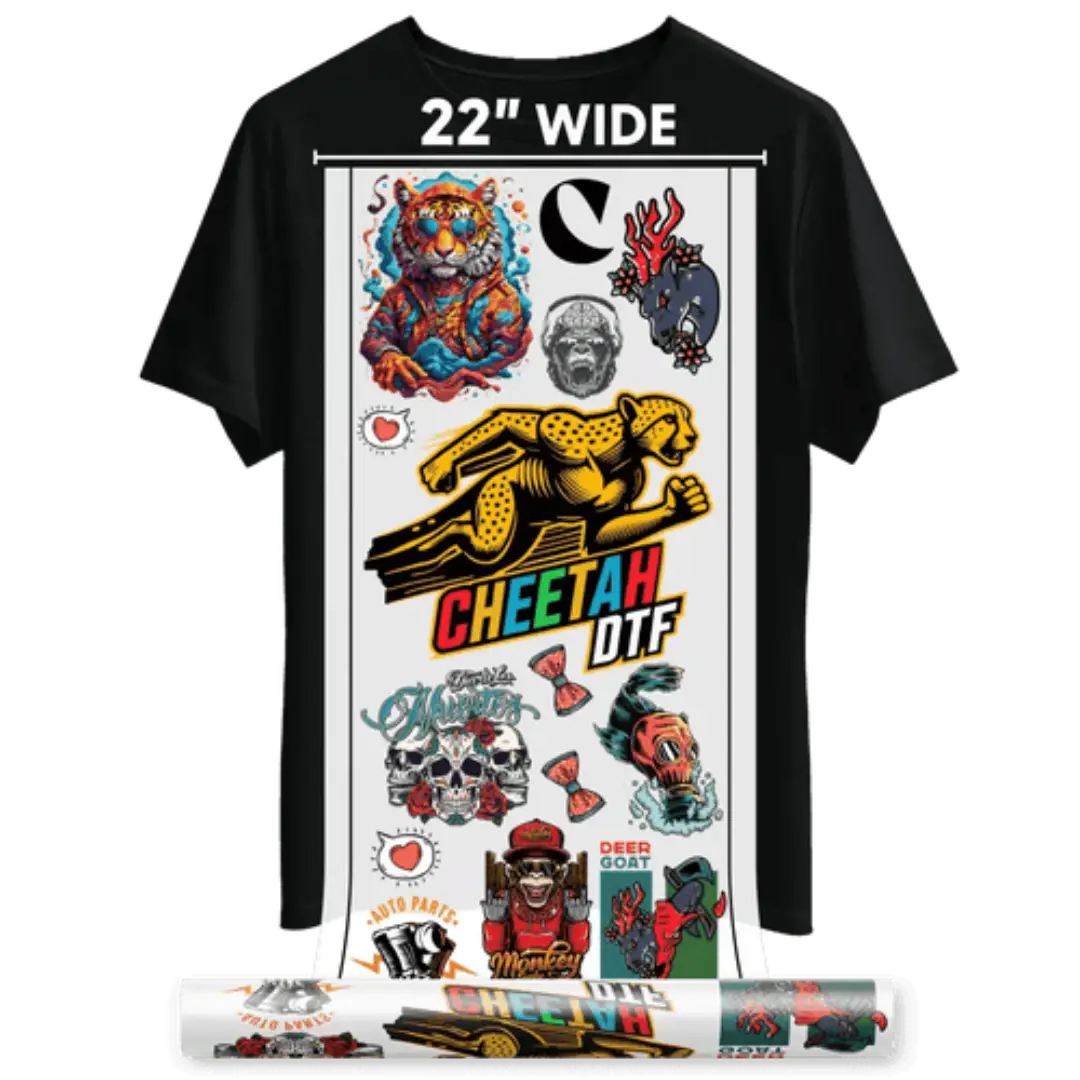
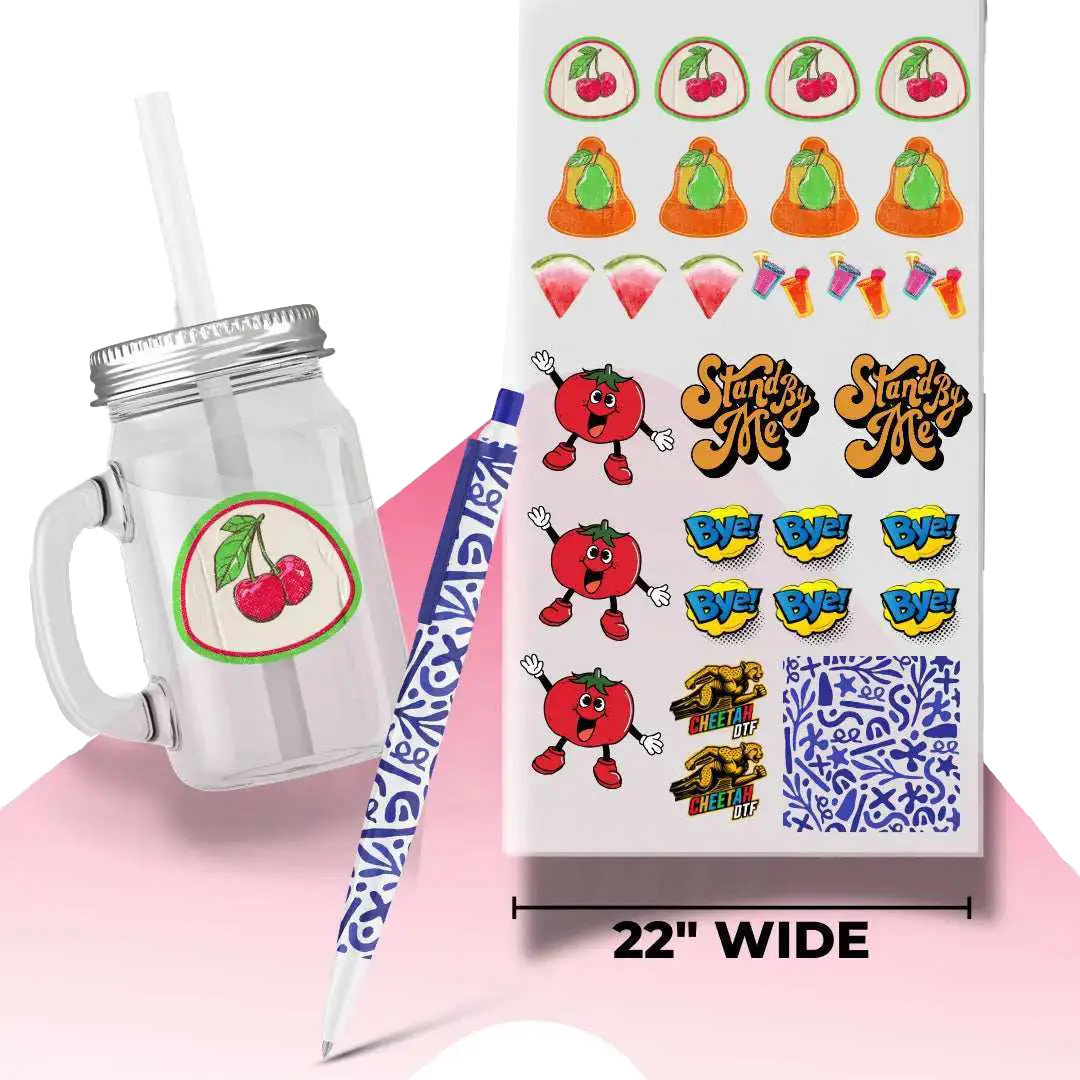
Cheetah DTF ships ready-to-press designs built for fast turnaround, helping your shop keep orders moving before the July rush hits.
DTF Transfers Options: Ready-to-Press vs Custom
Choosing between ready-made artwork and custom graphics depends on your production goals rather than printing ability.
|
Feature |
Ready-to-Press Transfers |
Custom Transfers |
|
Setup Time |
Immediate |
Artwork preparation required |
|
Best For |
Holiday rush orders |
Brand merchandise |
|
Design Choice |
Pre-made collection |
Unlimited |
|
Small Orders |
Excellent |
Excellent |
|
Production Speed |
Very fast |
Depends on artwork approval |
|
Cost |
Usually lower for seasonal graphics |
Higher if design work is needed |
|
Ideal Customer |
Etsy sellers, new shops, event vendors |
Businesses, schools, organizations |
Ready-made transfers shine when deadlines are tight.
Need twenty patriotic shirts before tomorrow morning? Grab the transfer, heat press it, fold the shirt, and ship.
Custom artwork makes more sense when customers want company logos, family reunion graphics, event branding, or personalized names incorporated into the design.
Both methods produce the same finished decoration when printed correctly. The difference lies in preparation time.
How to Choose Between the Two
Ask yourself one simple question.
Is your customer buying your artwork or your turnaround time?
If shoppers simply want festive Independence Day DTF Transfers featuring fireworks, flags, eagles, vintage lettering, or patriotic themes, ready-to-press artwork gets the job done much faster.
If a local business requests branded employee apparel, or a family wants matching reunion shirts with names and dates, custom transfers become the better option despite the longer preparation process.
Many successful shops actually combine both approaches.
They stock ready-made 4th of July Shirt Transfers for walk-in customers while accepting custom orders for businesses and community events. This keeps equipment running all day instead of waiting on artwork approvals.
At Cheetah DTF, many seasonal customers use exactly this strategy. They sell ready-made holiday graphics for quick profits while reserving custom production for higher-value orders that require personalization.
Coming up next: We'll cover how to launch Independence Day apparel even if you're starting late, how to organize a two-table production workflow, and the mistakes that waste the most time during holiday printing.
How to Start Independence Day Merch When You Are Late
Being late doesn't automatically mean you'll miss the season.
The biggest mistake I see is shop owners trying to build the perfect product line with dozens of designs. That's time you don't have. Pick your best-selling patriotic graphics, order quality transfers, and start pressing the same day they arrive.
A small lineup usually outsells an oversized catalog because customers buy what catches their eye, not the number of options you offer. Five to ten proven Patriotic T-Shirt Designs are often enough to keep production flowing during the holiday rush.
Work backward from your shipping deadline.
If orders need to arrive before July 4, build your production calendar around carrier cutoff dates instead of your own schedule. UPS, FedEx, and USPS publish holiday shipping recommendations every year. Verify current deadlines before accepting last-minute orders.
Don't wait until every supply reaches your shop before getting organized. While transfers are in transit, prepare blanks, boxes, labels, packaging supplies, and workstation layouts. When everything arrives, production begins immediately instead of wasting another day.
Order Ready-to-Press Transfers and T-Shirt Blanks
This is where production speed is won or lost.
Buy transfers first.
Without transfers, blank shirts are simply inventory sitting on shelves.
For most first-time seasonal sellers, black, white, navy, red, and heather gray remain the safest shirt colors. They consistently pair well with patriotic artwork while reducing the number of garment colors you need to stock.
Instead of ordering every available size equally, build inventory around real purchasing habits. Industry wholesalers regularly report medium through extra-large accounting for the majority of adult T-shirt sales, while small and larger extended sizes move at lower volumes. Adjust based on your own customer history.
Typical startup equipment and inventory costs look something like this:
A quality 15-inch by 15-inch heat press ranges from approximately $300 to $1,200.
Professional T-shirt blanks generally cost between $2.50 and $5.50 each.
Ready-to-press holiday transfers often fall between $1.50 and $4.00 depending on size and quantity.
Poly mailers cost roughly $0.20 to $0.50 each when purchased in bulk.
Packing tape, labels, and shipping materials add only a small amount per order but should still be included when calculating profit.
Always verify current wholesale pricing with your suppliers because seasonal demand affects inventory and cost.
Set Up Two Tables with Necessary Equipment (Heat Press, Blanks and Packaging)
Keep your workflow moving in one direction.
Don't press shirts where you're folding them.
Don't package products where you're trimming transfers.
Separate tasks.
Table one becomes production.
Place your heat press near the edge with enough room for staging transfers and blank garments. Keep scissors, Teflon sheets if required, lint roller, heat-resistant gloves, temperature gun, and finished transfers within arm's reach.
Table two becomes fulfillment.
This station should contain folding boards, size stickers, poly bags, shipping labels, order invoices, barcode scanner if used, and shipping cartons.
Walking back and forth across the shop may seem insignificant, but those extra steps become hours over hundreds of shirts.
Even in small garages or home shops, a dedicated workflow reduces mistakes because every finished garment immediately moves into packaging instead of piling beside the heat press.
Run a One-Man Show
Many successful seasonal sellers begin alone.
That's perfectly fine.
You don't need a production crew to fulfill Independence Day orders efficiently.
Develop a rhythm.
Press one shirt.
Cool it briefly.
Perform a quick quality inspection.
Move directly to the packaging table.
Fold. Bag. Label. Repeat.
Avoid multitasking.
Running five unfinished jobs at once usually creates mixed orders, incorrect sizes, or misplaced garments.
I always recommend completing one order before beginning another whenever possible. Customers rarely complain that their shirt shipped too quickly, but they'll absolutely notice receiving the wrong design.
Batching also helps.
Press every medium first if multiple customers ordered the same design. That minimizes handling while keeping your heat press operating at a consistent temperature.
One operator can comfortably produce dozens of finished shirts in a normal workday with an organized workflow, depending on design size, garment preparation, and packaging requirements.
Avoid These Deadly DTF Mistakes to Avoid Mid-Operation Frustration
Most failed transfers aren't caused by bad film. They're caused by rushed production. Ignoring manufacturer press instructions is the fastest way to ruin shirts. Every transfer supplier specifies recommended temperature, pressure, and dwell time. Follow those directions instead of guessing.
- Never skip pre-pressing garments. A quick five-second press removes wrinkles and moisture that interfere with adhesive bonding.
- Lint matters more than people realize.. Even tiny fibers trapped beneath the transfer become visible after pressing, especially on darker garments. A lint roller takes seconds and saves expensive reprints.
- Pressure deserves equal attention. Too little pressure weakens adhesion. Too much pressure can distort artwork or force adhesive beyond the print edge.
- Peeling too early is another common problem. Some transfers require a hot peel while others need to cool completely before removing the carrier film. Mixing those instructions often destroys perfectly good prints.
- Finally, inspect every finished shirt under good lighting before packaging.. Finding a crooked transfer after sealing the shipment costs far more than catching it on the production table.
Final Thoughts on Quick Independence Day Merch
The shops that earn the most during the Independence Day rush usually aren't the biggest. They're the fastest.
When you eliminate unnecessary setup, organize your production area, and use ready-to-press transfers, you can accept orders that other shops turn away. That's extra revenue without adding expensive equipment or hiring temporary help.
For beginner print shop owners, Etsy sellers, and screen printers making the move to DTF, simplicity wins every time. Keep a small collection of proven designs, stock the shirt colors customers actually buy, and create a repeatable workflow that keeps garments moving from the heat press to the shipping table.
Holiday apparel is all about timing. Every day you wait is another day your competitors are shipping orders.
Cheetah DTF helps shops stay ahead with fast turnaround, reliable print quality, and ready-to-press holiday artwork that keeps production moving when deadlines get tight. Whether you're filling ten orders or five hundred, the goal stays the same: press more, ship faster, and keep customers coming back for the next season.
Don't let the calendar decide how much you sell this July. Order your holiday transfers and DTF supplies from Cheetah DTF today, build your production line this afternoon, and start shipping Independence Day shirts.
Frequently Asked Questions
Are 4th of July DTF Transfers good for beginners?
Yes. 4th of July DTF Transfers are one of the easiest ways to begin apparel printing because artwork is already finished. You only need a quality heat press, blank garments, and the recommended pressing instructions to produce professional-looking shirts with minimal learning time.
How long do 4th of July DTF Transfers last after pressing?
A properly applied transfer commonly lasts 50 or more home wash cycles without noticeable cracking or peeling. Durability depends on garment quality, correct temperature, pressure, washing practices, and following the transfer manufacturer's pressing instructions exactly every time.
Can I press Independence Day DTF Transfers on polyester shirts?
Yes. Most Independence Day DTF Transfers adhere well to cotton, polyester, tri-blends, cotton-poly blends, and many performance fabrics. Always test unfamiliar garments first because fabric coatings and dye migration can affect final print quality on certain materials.
What temperature should I use for DTF transfers?
Most suppliers recommend pressing between 280°F and 320°F for approximately 10–20 seconds, depending on the film and adhesive system. Always follow the instructions included with your transfers instead of copying another supplier's settings for reliable results.
Should I buy ready-to-press or custom transfers?
Ready-to-press designs work best for seasonal products and fast turnaround. Custom transfers make more sense when customers need business logos, family reunion artwork, school graphics, or personalized apparel. Many successful shops keep both options available throughout the year.
Can I sell shirts using ready-made patriotic artwork?
Yes, provided the artwork includes commercial resale rights from your supplier. Always confirm licensing before selling finished apparel. Reputable suppliers clearly explain commercial use policies so you know exactly what products you may legally produce and sell.
How many shirts can one person make in a day?
An organized one-person shop can often produce 75 to 150 shirts daily using a single heat press, depending on design size, packaging requirements, and order complexity. A simple two-table workflow significantly improves productivity while reducing unnecessary movement around the workspace.
Where can I buy quality holiday transfers?
Many print shops choose Cheetah DTF because fast turnaround becomes especially important during seasonal demand. Look for suppliers offering consistent color, reliable adhesive performance, responsive customer support, and clear pressing instructions rather than choosing only the lowest advertised price.
What shirts sell best during the July holiday?
Classic American flag T-shirt graphics, vintage patriotic artwork, fireworks, military appreciation themes, humorous sayings, and simple Custom patriotic shirts remain among the strongest seasonal sellers. Black, white, navy, red, and heather gray garments consistently perform well across different customer groups.
Do I need expensive equipment to start DTF printing?
No. A reliable heat press, quality transfers, blank shirts, packaging supplies, and a clean workspace are enough to begin. Many successful small shops started with modest equipment before gradually upgrading as sales increased and production volume justified additional investment.
Sources for Industry Figures
Pricing and equipment costs referenced in this guide are based on current wholesale market ranges from major apparel distributors and equipment manufacturers, including SanMar, S&S Activewear, AlphaBroder, STAHLS', and Hotronix. Shipping timelines should always be verified directly with USPS, UPS, and FedEx before accepting holiday orders, as seasonal deadlines change annually.