


How to Organize 1000+ DTF Gang Sheets to Find Any Order in 10 Seconds
You started with a small bin. Ten transfers here, twenty there. Now you have 1000+ DTF transfers on a number of DTF gang sheets stacked on tables, stuffed in drawers, and rolled in corners. And you can't find the one order that needs to ship today.
It happens fast. But that speed creates inventory chaos. When every DTF gang sheet holds 15 to 20 designs, 1000 transfers means 50 to 70 sheets of mixed logos, sizes, and customers. If you don't have a system, you lose hours hunting. And hours hunting means late shipments and lost reorders.
Below is the exact system to organize 1000+ transfers so you can find any order in 10 seconds.
Why 1000+ DTF Transfers Become Unmanageable Without a System
Most shops organize by customer name. That fails at 1000+ because one customer has five sizes and three reorder dates. You end up with piles that look organized but aren't searchable.
And heat, humidity, and bad stacking ruin transfers. Film left folded in a hot room will crack. Transfers stacked without parchment will stick. You lose $0.85 to $1.40 per transfer when that happens, based on current film, ink, and powder costs. At 1000 pieces, that's $850 to $1,400 in trash from poor storage alone.
How Messy Storage Costs Real Money Every Month
A shop doing 1000 transfers monthly that spends 12 minutes per order hunting spends 40 to 50 hours a month just searching. At $18 per hour, that's $720 to $900 in labor you could save with labels and bins. That number comes from time studies in fulfillment shops tracking pick times.
Why Your DTF gang sheet Layout Affects How Fast You Find Orders
Your DTF gang sheet layout decides how hard organization will be later. If you mix 20 random sizes and 10 customers on one sheet with no labels, you can't sort it after printing. But if you build sheets by size and batch, you can cut and bin them in seconds. Organization starts before you hit print.
Need DTF Transfers that are easy to store and press?
Build a Gang Sheet Now.
Step 1: Build Your DTF gang sheet for Organization, Not Just for Printing
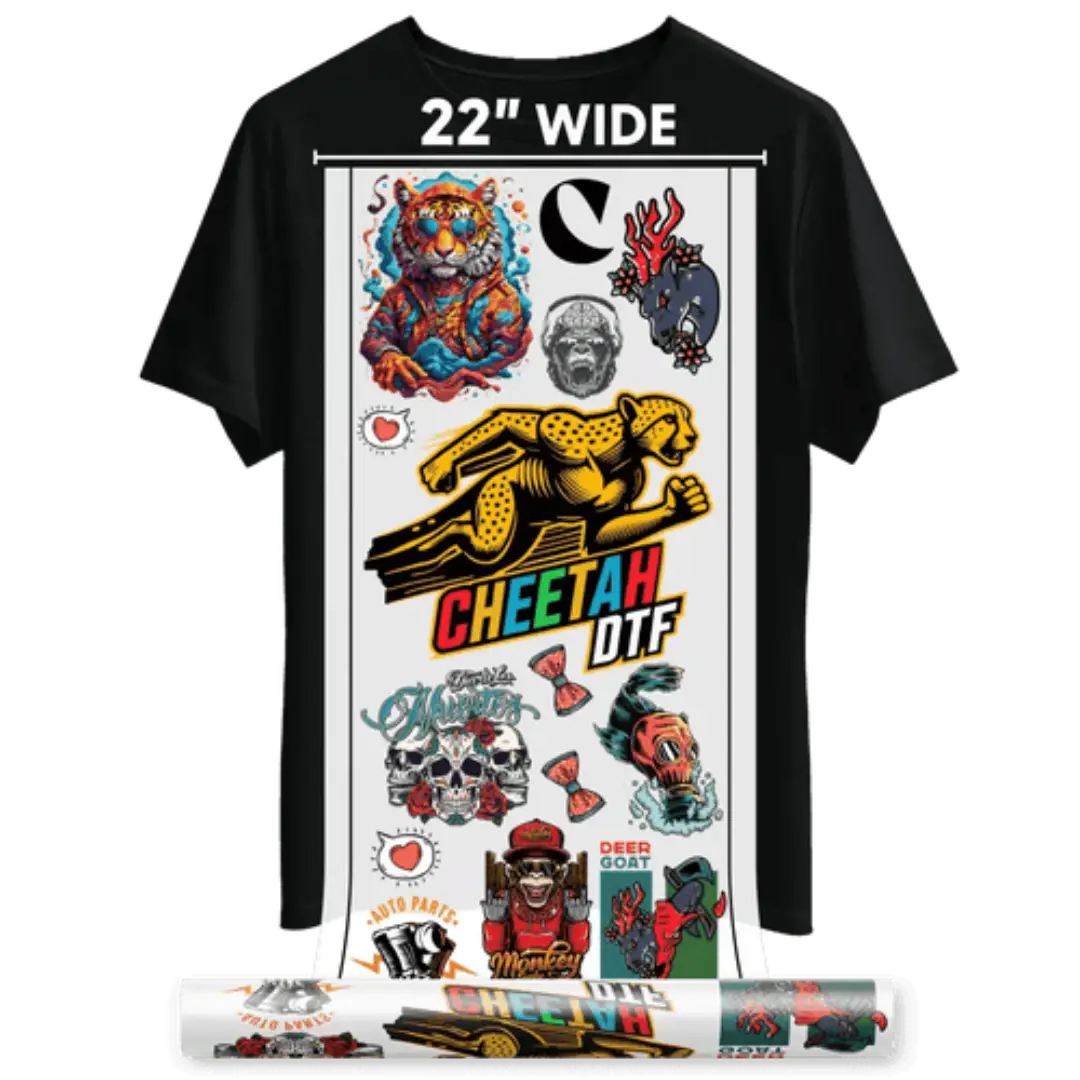
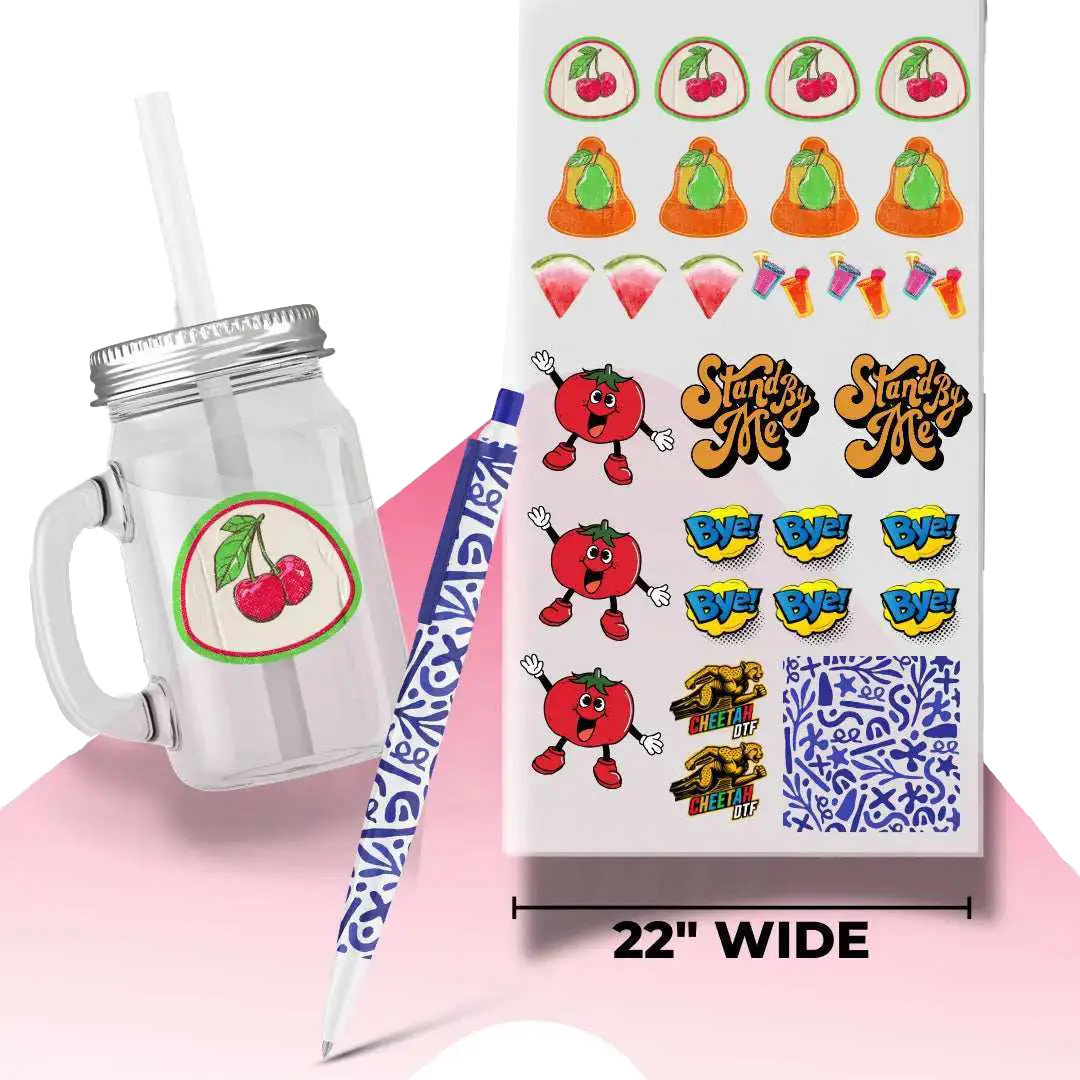
If you want to find any order in 10 seconds, you need to think about storage while you build the sheet. A DTF gang sheet is defined as a large film that holds multiple designs arranged to maximize film usage. But for 1000+ inventory, you also need it to maximize findability.
Don't build sheets with 20 different customer logos scattered. Build by size and by category.
How to Make a DTF Gang Sheet That Is Easy to Sort Later
Learning how to make a DTF gang sheet for organization is simple. Group identical sizes together in straight rows. Keep all 4-inch chest logos on one sheet, all 10-inch backs on another. Add a small text label in the margin of the sheet with size and date, like "4in Chest - 08-10-26". That label makes cutting and binning instant.
Using a DTF gang sheet builder to Auto-Tag and Auto-Count
A DTF gang sheet builder does more than nest. It can auto-tag. When you upload files, name them with order number and size before upload, like "1024_Johnson_4in". The builder keeps that name in its report. So when you print, you know exactly what is on each sheet without guessing. This one habit cuts sorting time by 60% to 70%.
Step 2: Set Up Physical Storage That Protects Transfers for Months
DTF transfers don't last forever if you store them wrong. Heat, moisture, and pressure are the killers.
Ideal storage is 65 to 75°F and 40% to 60% humidity. Film stored above 85°F or in direct sun will become brittle and crack after 3 to 4 weeks. Film stored in high humidity above 70% will absorb moisture and powder will clump, leading to rough edges after pressing.
Roll vs. Stack: What Works for 1000+ Pieces
For 1000+ pieces, you need both methods. Roll full uncut gang sheets and store them vertically in tubes or bins. Rolling prevents creases that cause white lines after pressing. For cut singles, stack flat in bins with parchment paper between every 20 to 25 transfers. Never fold film. A fold creates a permanent crack line that won't press clean.
Gang Sheet Printing and How Curing Affects Storage Life
Your gang sheet printing quality decides how long you can store. If powder is under-cured at less than 260°F or for less than 80 seconds, adhesive stays weak and transfers expire in 2 to 3 weeks. A proper cure at 270 to 290°F for 90 to 120 seconds gives you 6 to 12 months of shelf life when stored correctly. Always check cure with a stretch test before storing bulk.
Step 3: Create a Bin and Label System That Finds Any Order in 10 Seconds
This is the core system. No software needed, just bins, labels, and discipline.
Get 15 to 20 clear plastic bins. They cost $8 to $12 each at any home store. Clear matters because you can see inside. Then create your zones.
Zone A is for uncut bulk rolls. Zone B is for cut singles ready to press. Zone C is for reorders and best sellers.
How to Build a Gang Sheet Label That Your Team Can Read Fast
Knowing how to build a gang sheet label is more important than the bin itself. Every sheet or bag needs three things: size, quantity, and order ID or customer. Write it in big marker or print a label. For example: "Cheetah DTF - 4in Chest - 25 pcs - Order 1024 - Aug 10". When every bag has that, anyone on your team can find it in seconds, not just you.
Custom Gang Sheet Organization for Shops Selling Transfers
If you sell custom gang sheet transfers to other shops, you need customer bins too. Make a bin per top customer who orders monthly. When their reorder comes, you pull from their bin first before printing new. This cuts print time and keeps loyal customers happy because you ship in hours, not days.
Learn How to Make Custom DTF Gang Sheet for Printing Using Free Software.
Step 4: Use Digital Tracking to Match Physical Bins
Physical bins fail without a simple digital log. You don't need fancy inventory software. A Google Sheet works.
Create columns: Order ID, Customer, Size, Quantity, Bin Location, Date Printed, and Status. When you print a DTF gang sheet, you log it. So "Johnson 4in x 25 - Bin B3 - 08-10-26 - Ready". Now when Johnson reorders, you search the sheet for "Johnson" and it tells you Bin B3 in 2 seconds.
Why a Gang Sheet Builder Report Is Your Inventory List
Most DTF gang sheet builder tools export a CSV report with file names and counts. Save that report. That CSV is your inventory intake sheet. You don't have to type what is on each sheet. You already have it. Import it to your tracking sheet and your inventory is done.
Gang Sheet Layout Tips That Make Digital Tracking Accurate
These gang sheet layout tips help your sheet match your bins. Keep one size per sheet so your count is clean. Don't put 3-inch and 11-inch designs on the same sheet if you plan to bin by size, because that sheet now belongs in two bins. And always keep the builder's count, so you know if a bag should have 22 or 25 pieces.
Step 5: Protect 1000+ Transfers From Heat, Dust, and Moisture
Even perfectly binned transfers will fail if your shop environment is wrong.
Dust is a problem. Dust sticks to adhesive and creates pinholes after pressing. Keep bins lidded. Keep storage off the floor by at least 6 inches to avoid dust and potential water. And never store near your heat press or curing oven. The constant heat cycling ages adhesive fast.
If your shop is in a garage or non-climate space, invest in a $150 to $250 dehumidifier and a $40 hygrometer. That small investment protects $1000+ in inventory monthly.
Gang Sheet File Requirements That Help Long-Term Storage
Your gang sheet file requirements affect storage too. Art with super heavy ink coverage stores worse than balanced art because thick ink holds moisture. If you have a design that is a solid 11-inch black square, cure it 15 to 20 seconds longer. And avoid designs with ultra-fine lines under 1.5mm, because those lines lose adhesive first in storage and may not press clean after 3 months.
Step 6: Build a 10-Second Retrieval Workflow Your Team Can Follow
The goal is that anyone, not just you, can find any order in 10 seconds.
The workflow is: Customer asks for reorder, you search your sheet for customer name, you see Bin B3, you walk to Zone B, Bin 3, you pull the bag labeled "4in Chest x 25". Done.
Time this workflow. If it takes more than 30 seconds, your labels are too small or your bins are too full. A bin should hold no more than 150 to 200 singles. More than that and you have to dig, which adds time and bends film.
How Cheetah DTF Packs Bulk Orders to Make Your System Easier
At Cheetah DTF, we pack bulk 1000+ orders pre-sorted by size with parchment interleaves and size labels on every bag. That way our customers can put bags straight into bins without recounting or resorting. This is how you go from delivery to organized in 15 minutes, not 2 hours.
Step 7: Rotate Stock and Audit Weekly to Avoid Dead Inventory
1000+ transfers sitting for months will age out. So you need rotation.
Use FIFO, first in first out. When new prints come in, put them behind old stock in the bin, so you use old stock first. Do a 10-minute audit every Friday. Count bins that should have best sellers and flag anything under 25 pieces for reorder. This prevents that moment where you think you have stock but you actually have zero.
This weekly habit saves an average of 1 to 2 rush reprints per month. At $45 to $65 per rush order in shipping and labor, that's $540 to $1,560 saved yearly.
Conclusion: Organization Is Profit When You Have 1000+ Transfers
You don't need a warehouse to manage 1000+ DTF transfers. You need a simple line that starts before printing.
Build your DTF gang sheet by size, not randomly. Use a builder to auto-count and auto-tag. Roll uncut sheets and stack cut singles with parchment. Put everything in clear, labeled bins off the floor, and track it in one simple sheet that tells you size, quantity, and bin location.
When you do this, any order is 10 seconds away. You stop hunting, you stop reprinting lost transfers, and you stop losing money to cracked film and dust. And your team can find orders when you're not there.
Cheetah DTF prints bulk gang sheets built for this exact system, grouped by size, labeled, and packed so you can bin them the second they arrive.
Ready to Organize 1000+ Transfers Without the Mess?
Order Your Organized Bulk Gang Sheets at Cheetah DTF.
✔ Bulk gang sheets built to maximize gang sheet space and easy sorting
✔ Pre-sorted packs with size and quantity labels
✔ Long shelf life with proper cure for 6 to 12 month storage
✔ Reports that drop straight into your inventory tracker
Stop hunting for transfers. Start shipping in seconds.
Frequently Asked Questions
How Long Can You Store a DTF Gang Sheet Before It Goes Bad?
A properly cured DTF gang sheet stored at 65 to 75°F and 40% to 60% humidity lasts 6 to 12 months. Under-cured film or film stored above 85°F or in high humidity lasts only 2 to 4 weeks before adhesive weakens. Always store rolls vertically, avoid folding, and keep bins lidded to prevent dust and moisture from ruining the adhesive layer before pressing.
What Is the Best Way to Store Custom DTF Gang Sheet Transfers?
Store custom gang sheet transfers flat or rolled, never folded, with parchment paper between every 20 to 25 sheets. Keep them in clear, lidded bins off the floor and away from heat presses. Add labels with size, quantity, and order ID. Ideal conditions are 65 to 75°F and 40% to 60% humidity. This prevents sticking, cracking, and dust pinholes.
How Do You Organize 1000+ DTF Transfers So You Can Find Them Fast?
Use a bin system by size and a simple digital sheet. Create bins for 3.5-inch chest, 8-inch front, and 11-inch back. Log every bag with order ID, customer, size, quantity, and bin location like Bin B3. When you use a DTF gang sheet builder, save its count report as your inventory intake list. This cuts find time from 12 minutes to under 10 seconds.
Can You Stack DTF Transfers or Should You Roll Them?
Do both depending on state. Roll uncut gang sheets and store vertically to prevent crease lines. Stack cut singles flat in bins with parchment interleaves every 20 to 25 pieces. Never stack more than 200 singles per bin or the bottom pieces will get pressure marks. Never fold. A fold creates a permanent crack that shows as a white line after pressing.
What Are the Most Important Gang Sheet File Requirements for Bulk Storage?
You need 300 DPI, PNG with transparent background, art sized to real print dimensions, and balanced ink coverage. Heavy solid ink blocks hold moisture and need 15 to 20 seconds extra cure time for long storage. Thin lines under 1.5mm lose adhesive first in storage. Meeting gang sheet file requirements before printing extends shelf life from weeks to months.
How Does a Gang Sheet Builder Help With Organizing 1000+ Transfers?
A DTF gang sheet builder helps by grouping sizes, auto-counting, and exporting a report. It nests to maximize gang sheet space so sheets are uniform and easy to bin. It flags low-res art before printing, so you don't store bad transfers. The exported CSV lists exactly what is on each sheet, so you can import it to your inventory tracker without manual typing.
How to Make a DTF Gang Sheet That Is Easy to Cut and Bin?
To make a DTF gang sheet that is easy to cut and bin, group one size per sheet, align designs in straight rows, and leave 0.125 inches between graphics and 0.25 inches from the film edge. Add a margin label with size, quantity, and date. This layout lets you cut with a straight edge quickly and drop bags straight into size-based bins.
What Temperature and Humidity Ruin DTF Transfers in Storage?
Temperatures above 85°F make adhesive brittle and cause cracking within 3 to 4 weeks. Humidity above 70% causes powder to clump and adhesive to absorb moisture, leading to rough edges. Humidity below 30% can cause static and dust attraction. Keep storage at 65 to 75°F and 40% to 60% humidity. Use a $40 hygrometer to monitor daily.
How Should I Label Bins for Custom Gang Sheet Orders?
Label bins with size, quantity, order ID, and customer name in large print. For example: "4in Chest - 25 pcs - Order 1024 - Johnson - Aug 10 - Bin B3". For custom gang sheet orders with multiple customers on one sheet, bag by customer after cutting and label each bag. This way your digital sheet search for "Johnson" points to Bin B3 and the exact bag in seconds.
Where Can I Order Bulk DTF Gang Sheet Transfers That Are Easy to Store?
You can order bulk DTF gang sheet transfers from Cheetah DTF that come pre-sorted by size, with parchment interleaves and labeled bags. We cure at 270 to 290°F for 90 to 120 seconds for 6 to 12 month shelf life and nest to maximize gang sheet space for easy cutting. Most 1000+ orders ship the same or next day, ready to bin immediately.